
Coasting in Neutral vs Engine Braking: Which Is Harder on Your Car?

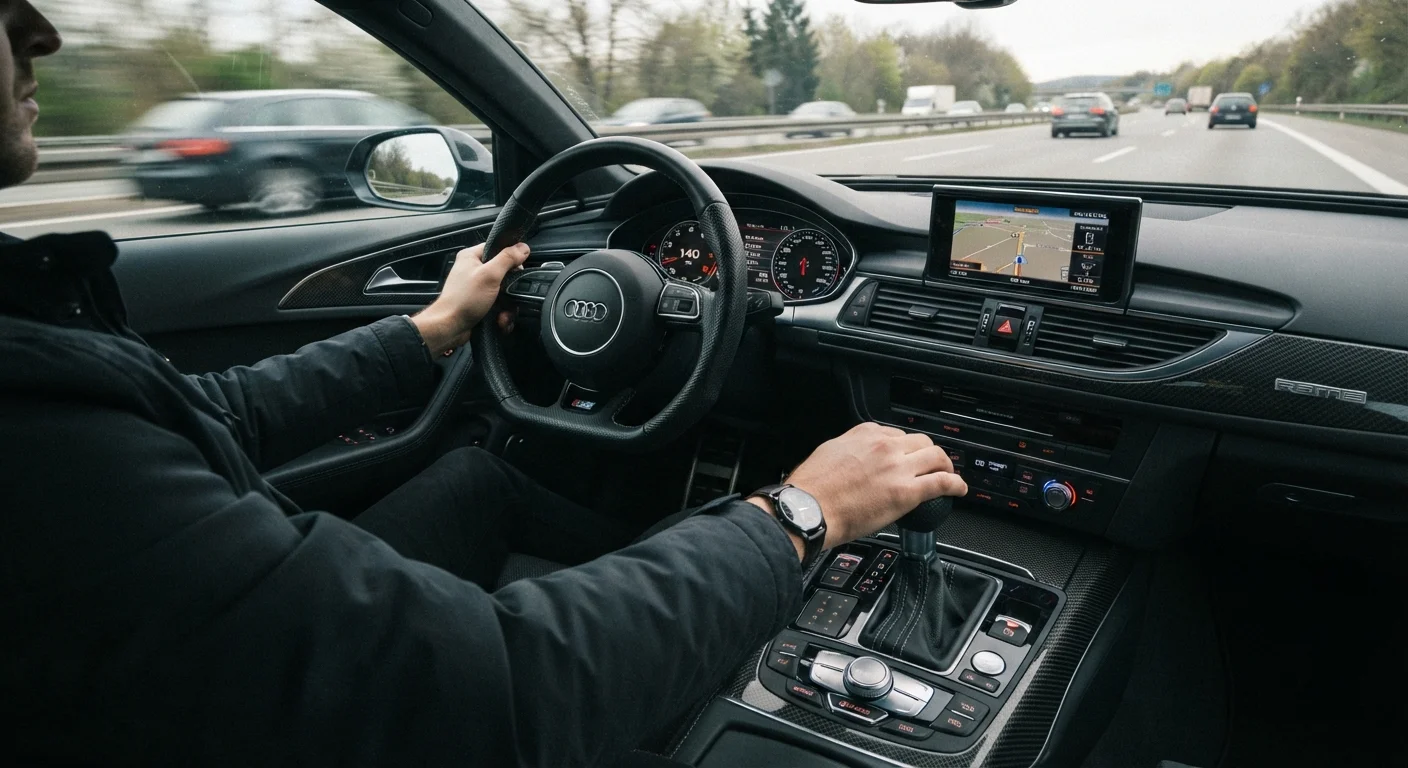
Photo: UnlockTopics.com | Unlocking Trending Content editorial
Key Takeaways
- Coasting in neutral disconnects the engine from the drivetrain, meaning fuel still flows at idle.
- Engine braking uses gear resistance to slow the vehicle, cutting fuel delivery in modern cars.
- Neutral coasting increases reliance on friction brakes, which accelerates pad and rotor wear over time.
- Engine braking on long descents reduces brake fade risk and can improve vehicle control.
- Automatic transmission drivers can use engine braking by selecting lower drive modes or manual-shift options.
- Neither technique is universally harmful - context, vehicle type, and frequency determine the real-world impact.
What Actually Happens in Each Scenario
When you shift into neutral and let the car roll, you've disconnected the engine from the driven wheels. The engine drops to idle speed and continues burning a small amount of fuel to keep running. The car slows only through aerodynamic drag and, eventually, friction braking when you press the pedal.
Engine braking works the opposite way. When you lift off the throttle while in gear - downshifting on a manual or selecting a lower drive mode on an automatic - the drivetrain remains connected. The engine acts as a resistance load, converting the vehicle's kinetic energy into heat inside the engine rather than in the brake pads. In most modern fuel-injected cars, the engine management system also cuts fuel delivery during this overrun phase, meaning the engine isn't burning fuel at all while it's slowing you down.
Understanding this mechanical reality is the starting point for evaluating which habit is actually harder on your car. Both approaches are widely practiced, but they have different implications depending on your vehicle type, driving environment, and how often you rely on each.
Fuel Consumption: The Counterintuitive Truth
Many drivers assume that shifting into neutral saves fuel because the engine isn't under load. This logic made sense in older carburetor-equipped vehicles, where the engine consumed a fixed idle fuel supply regardless. In modern fuel-injected vehicles - which make up the overwhelming majority of cars on US roads - it's actually backwards.
~600-800 RPM
Typical idle speed when coasting in neutral
At idle, fuel injectors remain active; in-gear overrun suppresses injection in most fuel-injected engines.
70%+
Share of US vehicle fleet with fuel injection
The vast majority of passenger vehicles sold in the US since the mid-1990s use electronic fuel injection, making overrun fuel cutoff the default behavior.
When you coast in neutral, the engine maintains idle, typically around 600-800 RPM, and fuel injectors remain active to sustain that. When you engine brake in gear with the throttle closed, fuel injection is suppressed entirely in most systems until RPMs drop near idle. The result: engine braking consumes measurably less fuel than neutral coasting during deceleration.
For drivers interested in maximizing efficiency, smooth acceleration and braking technique combined with strategic engine braking produces better fuel economy than frequent neutral coasting. See also how different road types affect these dynamics in our look at highway versus city driving on your engine.
Brake and Drivetrain Wear: Where the Trade-Off Lives
| Criterion | Coasting in Neutral | Engine Braking |
|---|---|---|
| Fuel use during deceleration | Idle fuel consumed throughout | Fuel cut off in most modern cars |
| Brake pad wear | Higher - brakes handle all deceleration | Lower - drivetrain shares the load |
| Drivetrain load | Minimal - engine disconnected | Moderate - within design tolerances |
| Control on descents | Reduced - no drivetrain assist | Better - engine aids speed regulation |
| Brake fade risk (long grades) | Higher - brakes bear full thermal load | Lower - heat distributed elsewhere |
| Works in automatic transmissions | Yes - shift to N | Yes - use L, manual mode, or paddle shifters |
Neutral coasting places the full deceleration burden on your friction brakes. On flat roads with short slowdowns, this isn't significant. But drivers who habitually coast in neutral on downhill grades or in stop-and-go urban traffic are accelerating brake pad and rotor wear more than those who use engine braking regularly. For a closer look at what ignored brake wear actually looks like, brake maintenance and its consequences covers the warning signs in detail.
Engine braking does transmit resistance through the drivetrain - transmission, clutch (in manuals), and driveshafts all absorb some load. However, this load is well within the design tolerances of a properly maintained drivetrain. Normal engine braking is not considered a significant wear contributor when used as intended. The clutch in a manual transmission is the most vulnerable component if drivers aggressively downshift to very low gears at high speeds, creating large RPM mismatches. Matching revs before downshifting eliminates this risk.
Habits like these are part of a broader pattern covered in our article on habits that quietly shorten a car's lifespan.
Safety Considerations on Grades and Highways
On long descents, the case for engine braking becomes a safety argument, not just an efficiency one. Sustained friction braking generates heat in brake rotors and pads. If heat builds faster than it dissipates, brake fade can occur - a temporary reduction in stopping power that happens when braking components exceed their operating temperature. Engine braking distributes that thermal load differently, reducing the risk of fade on extended downhill runs.
Coasting in neutral on a steep descent also removes the driver's ability to use engine response for quick speed adjustments. If a hazard appears ahead, a driver in neutral must rely entirely on the brake pedal, with no drivetrain assistance. A driver in gear retains immediate throttle response and engine-braking support as part of their control toolkit.
Automatic Transmissions Can Engine Brake Too
On highways and motorways, cruise control behavior on hilly roads interacts with these same principles - understanding when your car is engine braking versus reapplying throttle helps you make smarter manual adjustments when the terrain calls for it.
This article is for general informational purposes only and does not constitute professional mechanical advice. Consult a qualified mechanic for guidance specific to your vehicle.
The content on this site is for informational purposes only and is not a substitute for professional advice. Always consult a qualified professional for guidance specific to your situation.