
Usage-Based and Pay-Per-Mile Insurance: How Telematics Programmes Work

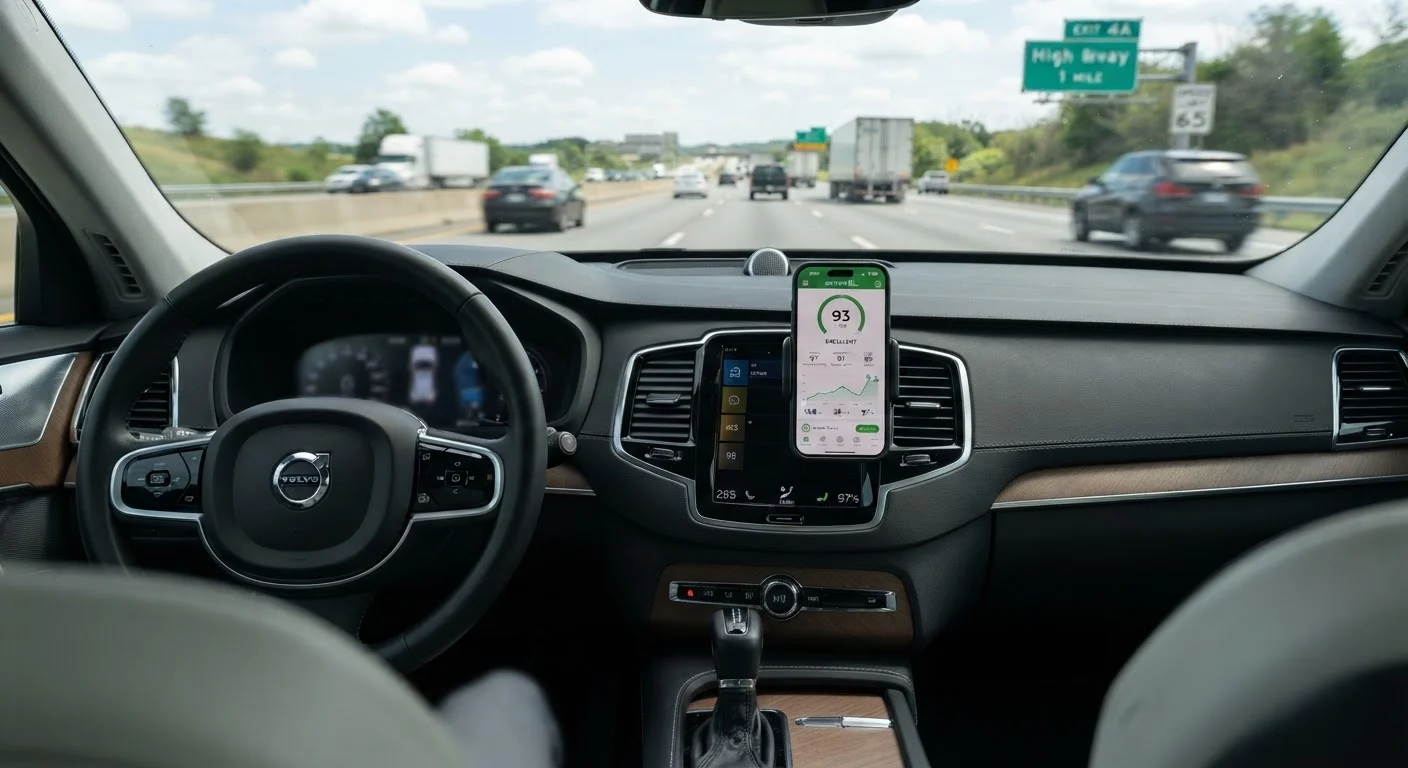
Photo: UnlockTopics.com | Unlocking Trending Content editorial
Key Takeaways
- Telematics programmes price your premium based on actual driving behaviour or miles driven, not just demographics.
- Data collected typically includes speed, braking, acceleration, cornering, and time of day.
- Low-mileage and careful drivers often see meaningful savings, but risky driving habits can raise rates.
- Pay-per-mile insurance differs from behaviour-based programmes - it prices primarily on distance, not style.
- Privacy trade-offs are real: insurers collect and retain driving data that may affect future premiums.
Potential for meaningful premium savings
Drivers with safe habits or low annual mileage can qualify for discounts that are not available through standard underwriting. Some insurers offer an initial enrolment discount just for participating, regardless of the score.
Pricing reflects actual risk, not just demographics
Traditional pricing penalises younger or urban drivers regardless of their actual behaviour. Telematics can partially offset those demographic penalties by demonstrating a safe driving record in real time.
Pay-per-mile suits genuinely low-mileage drivers
If you drive infrequently - due to remote work, retirement, or owning a second vehicle used rarely - a per-mile structure can make your premium much closer to your actual exposure.
Behavioural feedback can improve driving habits
Many apps provide trip-by-trip scoring and feedback, which some drivers find useful for identifying and correcting habits like hard braking or phone use at the wheel.
Poor driving scores can raise your premium
Most programmes can increase rates at renewal if your scores are consistently poor. Enrolment is not a one-way discount door - the data can work against you.
Significant privacy trade-offs involved
Insurers collect detailed location and behavioural data. Retention periods, third-party sharing practices, and use in future underwriting decisions vary by insurer and are not always transparently disclosed.
Night driving and hard braking penalties can be unfair
Shift workers, emergency responders, or caregivers who regularly drive late at night may be penalised for circumstances outside their control, not for genuinely risky behaviour.
Smartphone app programmes can drain battery and require permissions
App-based programmes require persistent location access, which can affect phone battery life and raises data collection questions beyond the driving context.
Data can be requested in legal proceedings
Telematics data has been subpoenaed in accident litigation. Drivers should be aware that their insurer's data may become part of a legal record in the event of a serious claim.
What Telematics-Based Insurance Actually Is
Standard auto insurance pricing leans heavily on factors like your age, ZIP code, credit score, and driving record. Telematics-based insurance - also called usage-based insurance (UBI) - adds a layer of real-world data by monitoring how, when, and how far you actually drive.
Insurers typically collect this data through one of two methods: a small plug-in device (often called a dongle) that connects to your car's OBD-II port, or a smartphone app that uses GPS and motion sensors. The programme then uses that data to adjust your premium - either at renewal or through ongoing discounts.
Two distinct models exist under the telematics umbrella:
- Behaviour-based programmes score your driving habits - smooth braking, safe speeds, avoiding late-night driving - and adjust your rate accordingly.
- Pay-per-mile programmes charge a base rate plus a per-mile fee, making total mileage the dominant pricing factor rather than driving style.
Understanding which model a programme uses matters. For a full explanation of how premiums work within a policy, see how deductibles, limits, and premiums interact.
What Data Telematics Programmes Collect
The data points most commonly collected by telematics programmes include:
- Speed - how often you exceed posted limits and by how much
- Hard braking and rapid acceleration - sudden inputs that correlate with higher crash risk
- Cornering - sharp turns taken at speed
- Time of day - night driving, particularly between midnight and 4 a.m., is weighted as higher risk by many insurers
- Miles driven - total distance logged per day or billing cycle
- Phone use while driving - some apps detect screen interaction during motion
Not all programmes collect all of these metrics, and what is collected varies by insurer and programme design. Before enrolling, it is worth reviewing exactly what data the insurer retains, for how long, and whether it can be shared with third parties.
Data Practices Vary Significantly by Insurer
This article provides general information about telematics insurance programmes. Coverage terms, data practices, and pricing structures vary significantly by insurer and state. Consult a licensed insurance agent and review actual policy documents before making decisions about your coverage.
Pros and Cons of Usage-Based Insurance
Telematics programmes are neither universally beneficial nor universally problematic. The value depends heavily on your individual driving profile.
Potential for meaningful premium savings
Drivers with safe habits or low annual mileage can qualify for discounts that are not available through standard underwriting. Some insurers offer an initial enrolment discount just for participating, regardless of the score.
Pricing reflects actual risk, not just demographics
Traditional pricing penalises younger or urban drivers regardless of their actual behaviour. Telematics can partially offset those demographic penalties by demonstrating a safe driving record in real time.
Pay-per-mile suits genuinely low-mileage drivers
If you drive infrequently - due to remote work, retirement, or owning a second vehicle used rarely - a per-mile structure can make your premium much closer to your actual exposure.
Behavioural feedback can improve driving habits
Many apps provide trip-by-trip scoring and feedback, which some drivers find useful for identifying and correcting habits like hard braking or phone use at the wheel.
Poor driving scores can raise your premium
Most programmes can increase rates at renewal if your scores are consistently poor. Enrolment is not a one-way discount door - the data can work against you.
Significant privacy trade-offs involved
Insurers collect detailed location and behavioural data. Retention periods, third-party sharing practices, and use in future underwriting decisions vary by insurer and are not always transparently disclosed.
Night driving and hard braking penalties can be unfair
Shift workers, emergency responders, or caregivers who regularly drive late at night may be penalised for circumstances outside their control, not for genuinely risky behaviour.
Smartphone app programmes can drain battery and require permissions
App-based programmes require persistent location access, which can affect phone battery life and raises data collection questions beyond the driving context.
Data can be requested in legal proceedings
Telematics data has been subpoenaed in accident litigation. Drivers should be aware that their insurer's data may become part of a legal record in the event of a serious claim.
For first-time drivers or those building an insurance history, telematics can offer a path to more competitive rates that traditional underwriting might not. First-time driver insurance considerations overlap meaningfully here, since younger drivers face some of the steepest standard premiums.
If you are considering switching insurers to access a telematics programme - or to leave one - timing matters. Switching auto insurance without a coverage gap explains how to manage that transition carefully.
Is a Telematics Programme Right for You?
The decision to enrol comes down to an honest assessment of your driving habits and your comfort with data sharing.
Drivers who commute long distances daily, frequently drive late at night, or have aggressive braking habits may find that a telematics programme surfaces data that works against them at renewal. Conversely, someone who works from home and drives fewer than 8,000 miles a year - and drives smoothly when they do - is well positioned to benefit.
Pay-per-mile programmes in particular suit drivers whose annual mileage is low but variable. Unlike a behaviour-based programme, a pay-per-mile plan does not penalise how you drive - only how much you drive. If you drive rarely but occasionally make a longer road trip, check whether the programme caps the daily mileage charge, as many do.
~50%
US drivers eligible for a UBI programme
Industry estimates suggest that roughly half of US personal auto policyholders have access to some form of usage-based or telematics programme through their insurer.
5-40%
Typical discount range for safe drivers
Reported savings in telematics programmes vary widely by insurer and driving profile; the upper end typically requires consistently high scores over a full policy term.
It is also worth understanding the full scope of your policy's coverage terms before focusing on premium optimisation. Auto insurance terminology explained plainly is a useful starting point for ensuring the underlying coverage structure is sound before layering in a telematics discount.
The content on this site is for informational purposes only and is not a substitute for professional advice. Always consult a qualified professional for guidance specific to your situation.