
Switching Auto Insurance Policies Without Losing Coverage

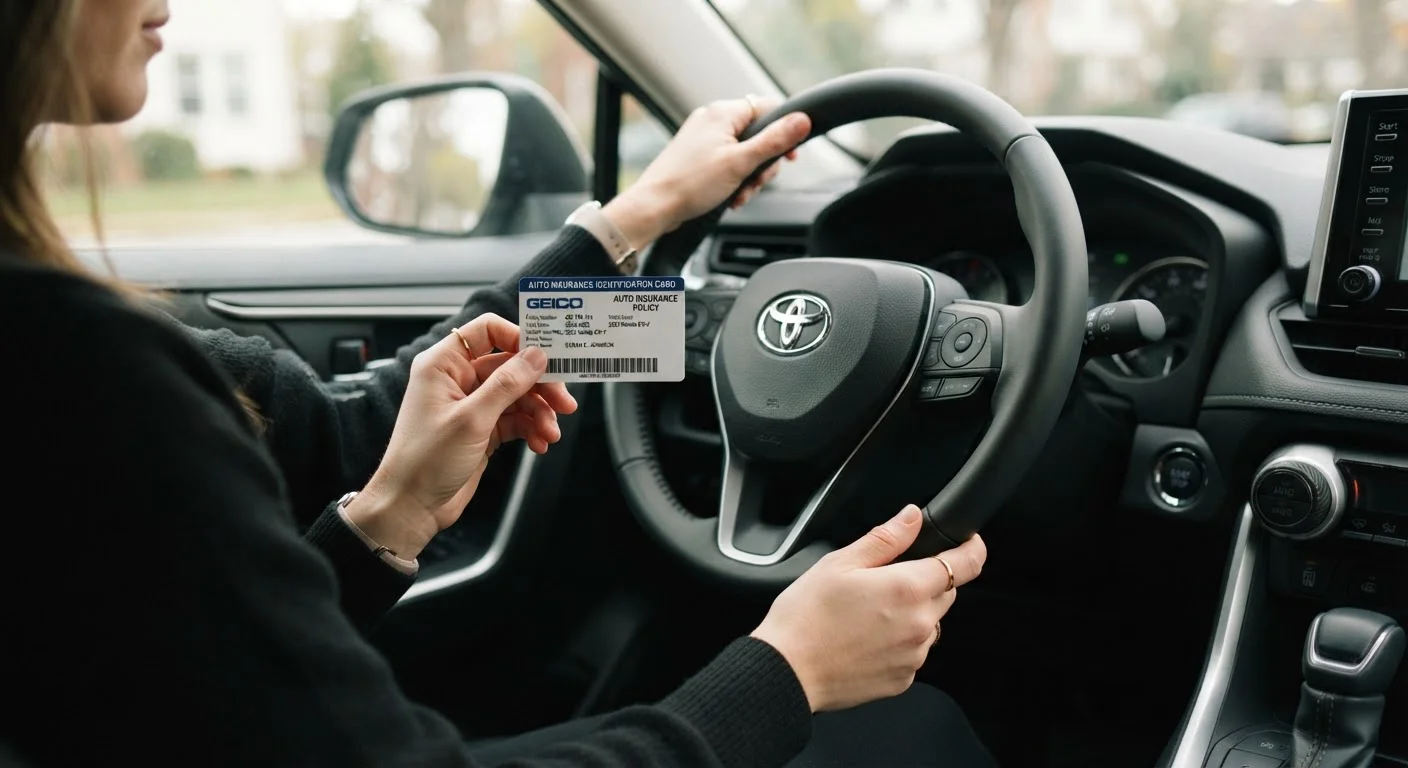
Photo: UnlockTopics.com | Unlocking Trending Content editorial
Key Takeaways
- Never cancel your existing policy until the new one is active and confirmed in writing.
- A coverage gap - even one day - can raise future premiums and leave you legally exposed.
- You may be owed a prorated refund on prepaid premiums after canceling mid-policy.
- Switching at or near renewal is cleanest, but mid-term switches are permitted in all U.S. states.
- Matching or improving your current coverage limits before switching prevents accidental underinsurance.
Why the Sequence Matters
Switching auto insurance sounds simple - find a better rate, move on. But the order in which you act determines whether you stay continuously protected or expose yourself to a coverage gap. A gap is any period during which you own and drive a vehicle without an active policy. Even a 24-hour gap can have consequences: most states treat it as a lapse in required coverage, and insurers commonly use gap history to justify higher premiums when you apply for a new policy.
The good news is that with the right sequence, switching is genuinely straightforward. You don't need to wait for your renewal date - mid-term switches are allowed in every U.S. state - though timing it near renewal avoids potential cancellation fees.
Never Drive Without Active Coverage
Before you gather any quotes, pull out your current declarations page and note your coverage types and limits. This baseline is the foundation of a clean switch. For a deeper look at what those terms mean, see our auto insurance coverage term guide.
What to Do Before, During, and After the Switch
The steps below walk you through the full process. The critical rule threading through all of them: your new policy must be active before the old one is cancelled.
What you will need
Review Your Current Coverage in Detail
Before you shop for anything new, document exactly what your current policy provides: liability limits (expressed as three numbers, such as 25/50/25), your deductibles for comprehensive and collision, and any add-ons like roadside assistance or rental reimbursement. This gives you a baseline so you don't accidentally downgrade. If any of these terms are unfamiliar, our coverage term explainer breaks them down in plain language.
Check Your Current Policy's Cancellation Terms
Look in your policy documents for the cancellation section. Note whether your insurer charges a short-rate penalty for early exit, and whether they require written notice a certain number of days in advance. Some companies require 10-30 days' notice; others process same-day cancellations. Knowing this before you commit to a new start date prevents scheduling conflicts.
Shop and Compare Equivalent Coverage
Gather quotes that match or exceed your current coverage levels - same liability limits, same deductibles, same endorsements. Comparing a full-coverage quote to a liability-only quote will show a lower premium but represents a real reduction in protection. For guidance on that distinction, see our liability vs. full coverage breakdown. When reviewing comprehensive and collision specifics, our comprehensive vs. collision guide clarifies what each covers.
Purchase and Confirm Your New Policy
Once you've chosen a new policy, set the start date to the same day as - or one day before - your planned cancellation of the old policy. Pay your first premium and obtain written confirmation of your policy number, coverage details, and effective date. Do not proceed to cancellation until this documentation is in hand.
Cancel Your Old Policy in Writing
Contact your current insurer to cancel, and request written confirmation of the cancellation date and any refund amount owed. If you prepaid a six-month or annual premium, you're typically entitled to a prorated refund for unused days - minus any short-rate fee. Keep this confirmation on file in case there's a billing dispute later.
Update Your Records and Notify Relevant Parties
Update your glove box with the new insurance card, notify your vehicle lender or lienholder of the new policy and insurer, and update any stored documents (such as a roadside assistance app) that reference your old policy number. If you're on a usage-based programme, uninstall or deactivate the old insurer's telematics device or app.
Time It Around Your Renewal When Possible
Mid-Policy Cancellation Fees Vary
Once your new coverage is confirmed and the old policy cancelled, take a moment to review whether your new limits still fit your situation. Life changes - a new vehicle, a longer commute, or a shift to remote work - can all affect the right level of coverage. If you're exploring newer pricing models, our usage-based insurance explainer covers how telematics programmes factor driving behavior into your rate.
This article is for general informational purposes only and does not constitute personalized insurance or financial advice. Coverage terms, cancellation rules, and refund policies vary by insurer and state. Consult a licensed insurance agent or adviser for guidance specific to your situation, and always read your full policy documents before making changes.
The content on this site is for informational purposes only and is not a substitute for professional advice. Always consult a qualified professional for guidance specific to your situation.