
Before You Renew: A Policy Review Checklist for Drivers

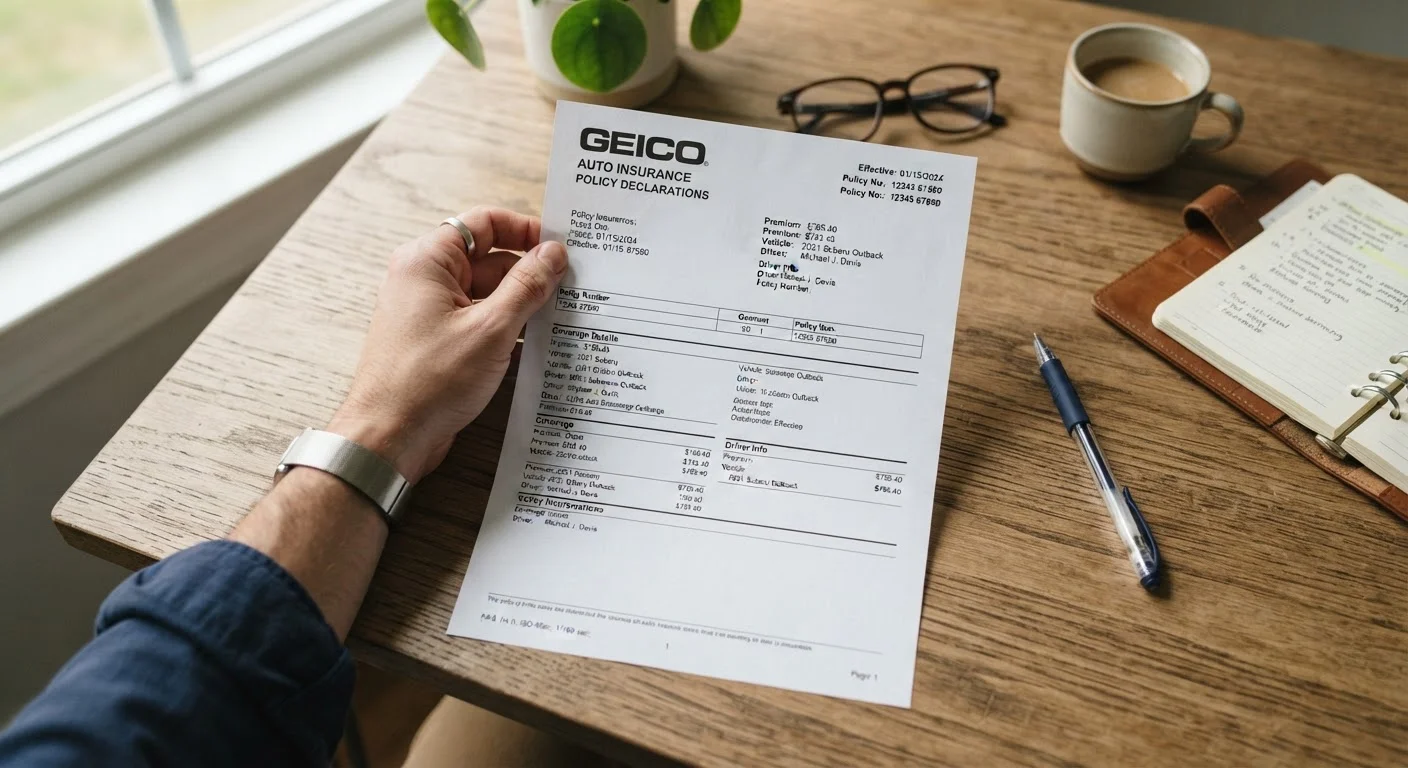
Photo: UnlockTopics.com | Unlocking Trending Content editorial
Key Takeaways
- Your coverage needs change as your life changes - renewal is the right time to reassess.
- Outdated liability limits or missing discounts can cost you money or leave gaps in protection.
- Reviewing your deductible, vehicle value, and listed drivers takes less than an hour.
- Shopping around or asking your insurer about discounts is always appropriate at renewal.
- Gaps between policies - even for one day - can have serious financial and legal consequences.
Why Policy Renewal Deserves More Than a Click
Most drivers auto-renew their insurance without a second glance. It's convenient - but it means you may be paying for coverage that no longer matches your vehicle, your household, or your driving habits. Renewal notices typically arrive 30-45 days before your policy expires, which is exactly enough time to do a proper audit.
This checklist walks you through every layer of your policy so you can renew with confidence - or make changes before you're locked in for another term. If you're navigating your first policy instead, see our guide on what first-time drivers need to know about car insurance for foundational context.
Declarations Page
Lists your current coverages, limits, deductibles, and premium - the essential starting document for any policy review.
State DMV or Insurance Commissioner Website
Confirms your state's minimum required coverage limits so you know the legal baseline.
Vehicle Valuation Tool (e.g., market value lookup)
Helps you determine whether your vehicle's current market value still justifies carrying collision and comprehensive coverage.
Home or Renters Insurance Policy
Useful for checking whether bundling with your auto policy could qualify you for a multi-policy discount.
The Full Policy Review Checklist
Work through each group below using your current declarations page - the summary sheet that lists your coverages, limits, and premiums. If you don't have a copy, request one from your insurer before you begin.
Your Vehicle & Drivers
Coverage Types & Limits
Deductibles
Life Changes to Report
Discounts & Savings Opportunities
Rideshare & Delivery Use Requires Special Coverage
What to Do After the Audit
Once you've completed the checklist, you'll likely fall into one of three situations: your policy looks solid as-is, you've identified a few adjustments to request, or you've found significant gaps that warrant shopping for a new policy.
If you decide to switch providers, timing matters. Our article on switching auto insurance without losing coverage explains how to sequence a provider change so you're never uninsured - even for a single day.
Your insurance premium is also a recurring budget line worth tracking. The monthly budget review checklist is a useful companion for seeing how your auto costs fit into the bigger financial picture. And for drivers focused on vehicle upkeep alongside insurance, seasonal car maintenance guidance can help you stay roadworthy year-round.
Never Let Coverage Lapse Between Policies
This article is for general informational and educational purposes only and does not constitute personalized insurance, financial, or legal advice. Coverage terms, exclusions, and requirements vary by provider and by state. Always read your actual policy documents and consult a licensed insurance agent or adviser for guidance specific to your situation.
The content on this site is for informational purposes only and is not a substitute for professional advice. Always consult a qualified professional for guidance specific to your situation.