
Why Outfits Fall Flat: The Styling Mistakes That Undermine Good Clothes

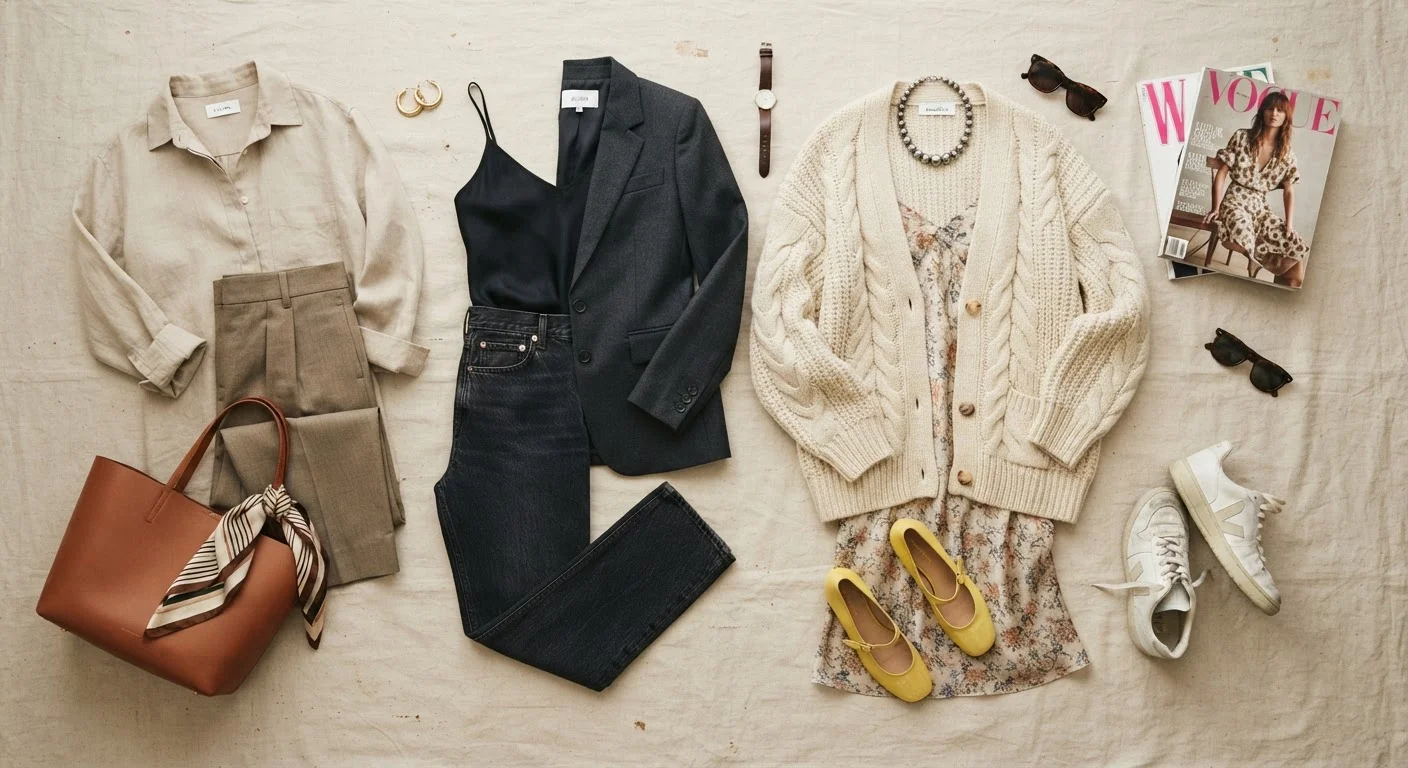
Photo: UnlockTopics.com | Unlocking Trending Content editorial
Key Takeaways
- Poor fit is the single most common reason well-chosen clothes fail to look polished.
- Ignoring proportion — how pieces relate in volume and length — creates visual imbalance.
- Styling errors are often systematic, not random, and can be corrected with a few deliberate adjustments.
- Accessories and finishing details often determine whether an outfit reads as complete or unfinished.
- Understanding why mistakes happen makes them far easier to avoid consistently.
The Gap Between Good Clothes and a Good Outfit
Most styling problems aren't about the clothes themselves — they're about how those clothes are combined and worn. A well-made blazer, a quality pair of trousers, a thoughtfully chosen dress: individually, each can be excellent. Together, they can still look off. That disconnect is frustrating, and it's more common than most people realize.
The good news is that styling mistakes tend to follow recognizable patterns. Understanding those patterns — why they happen and how to correct them — is the foundation of dressing with confidence at any style level. Whether you're building a capsule wardrobe or simply trying to get more out of what you already own, these are the errors most worth addressing.
See our guide to clothing fit for a deeper look at why garment fit shapes every outfit before styling even begins.
Common Styling Mistakes — and How to Fix Them
The following mistakes appear consistently across styling consultations and editorial analysis. Each one is correctable once you know what to look for.
Wearing clothes that don't fit the body wearing them — regardless of size label.
Ignoring proportion between the top and bottom halves of an outfit.
Leaving an outfit at the 'assembled' stage without a finishing layer or detail.
Wearing shoes or a bag that contradict the outfit's overall register or occasion level.
Choosing pieces based on trend appeal without considering how they work with the rest of the wardrobe.
For readers navigating seasonal wardrobe shifts, our capsule dressing by season guide offers a practical framework for building outfits that work across your whole wardrobe rotation.
The Details That Pull an Outfit Together
Beyond the structural mistakes above, a significant category of styling errors happens at the finishing stage — the decisions made after the main pieces are chosen. Shoes that contradict the outfit's register (too casual with something polished, or too formal with something relaxed), bags that clash in proportion, or simply forgetting that a tucked shirt or rolled sleeve can shift an entire silhouette: these details matter more than they might appear.
Finishing Details Are Not Optional
It's also worth remembering that not every convention requires following. Some widely cited style rules — like never mixing prints or avoiding certain color combinations — are more myth than mandate. Our breakdown of style rules that aren't actually rules separates durable principles from outdated restrictions. And when it comes to pattern mixing specifically, the logic behind mixing prints is more learnable than most people expect.
~70%
Of wardrobe items worn infrequently
Industry estimates commonly suggest that most people regularly wear only a fraction of the clothes they own, pointing to a mismatch between purchasing habits and actual styling decisions.
1 detail
Often separates finished from unfinished
Style educators and wardrobe consultants frequently note that a single grounding element — a belt, a defined shoe, a layer — is often all that distinguishes a polished look from an assembled one.
The goal isn't perfection — it's intentionality. An outfit that reflects considered choices, even simple ones, consistently reads as more polished than one assembled without attention. That attention is available to everyone, regardless of budget or wardrobe size.
The content on this site is for informational purposes only and is not a substitute for professional advice. Always consult a qualified professional for guidance specific to your situation.