
Makeup Primers: What They Do and When They're Actually Worth Using

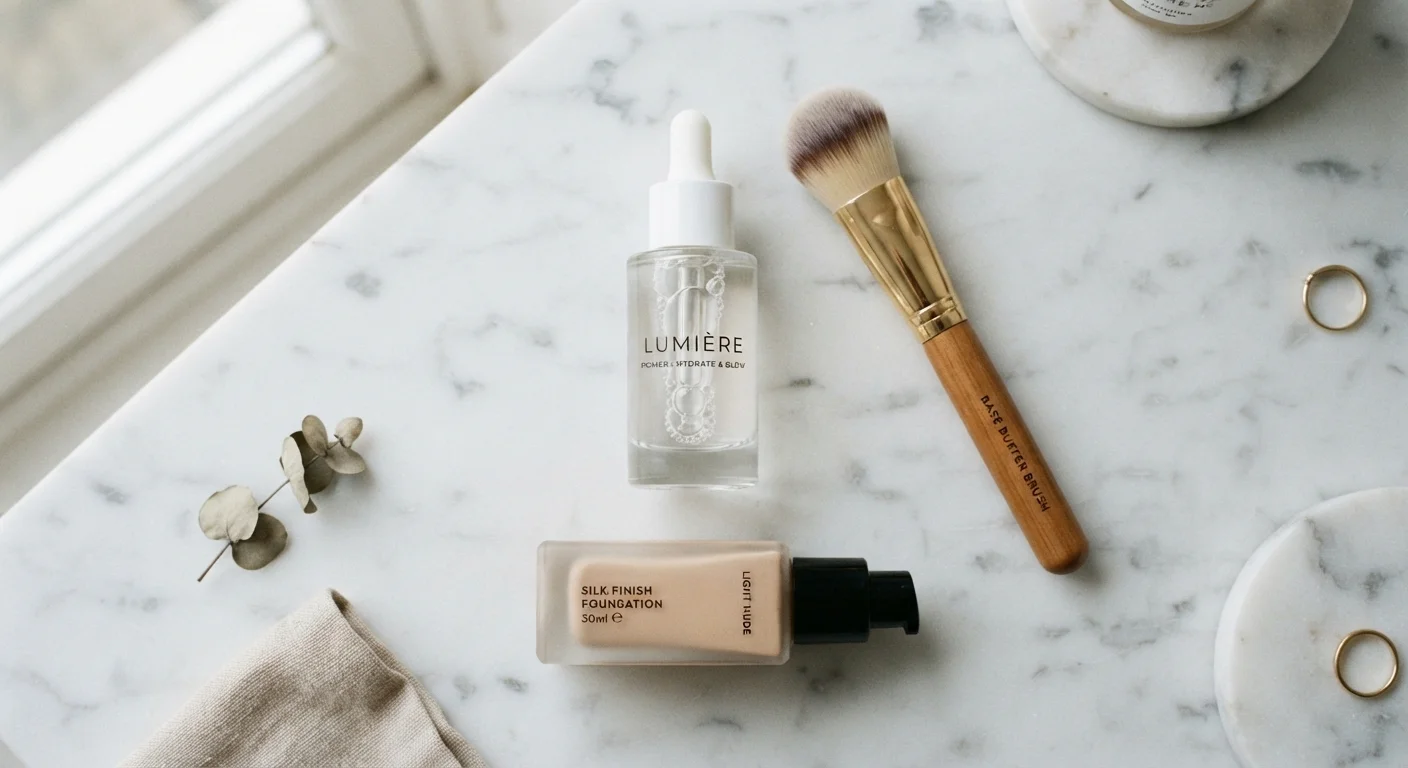
Photo: UnlockTopics.com | Unlocking Trending Content editorial
Key Takeaways
- Primers create a smoother surface between skincare and makeup, but aren't universally necessary.
- Different primer formulas address different concerns — pore minimizing, color correcting, or hydrating.
- Oily or combination skin types tend to see the most noticeable benefit from using a primer.
- Primer can extend makeup wear, but so can setting spray and the right foundation formula.
- Skipping primer is a reasonable choice if your skin is well-moisturized and your makeup sits comfortably.
What a Primer Actually Does
A makeup primer is a preparatory product applied after skincare and before foundation or other complexion products. Its core function is to create a uniform base — smoothing texture, controlling surface oils, and giving foundation something consistent to adhere to.
Most primers fall into a few distinct categories: silicone-based primers fill in pores and fine lines with a blurring effect; hydrating primers add a moisture layer for dry skin types; color-correcting primers (typically green, lavender, or peach-toned) counteract redness, sallowness, or dark spots before foundation goes on; and mattifying primers absorb excess sebum to reduce shine throughout the day.
Understanding which category addresses your actual skin concern is the most useful starting point. Applying any primer without that clarity often results in mismatched expectations. See our guide to skincare layering for context on where primer fits within a full routine.
When Primer Makes a Real Difference
Primer earns its place most clearly in a few situations. If your skin leans oily, foundation tends to migrate or break down within a few hours — a mattifying or silicone primer gives it a more stable surface to grip. The same logic applies to long-wear occasions: an event, a travel day, or any situation where you won't have the option to reapply.
People with visibly enlarged pores or textured skin often notice a more polished finish when a smoothing primer fills those areas before foundation. Color-correcting primers are also genuinely useful for skin with persistent redness or uneven tone that foundation alone doesn't fully neutralize.
6–8 hrs
Typical foundation wear time with primer
Beauty industry wear-test benchmarks generally show primer extends foundation longevity by several hours compared to application without it, though results vary by skin type and formula.
~30%
Reduction in sebum breakthrough with mattifying primer
Studies on sebum-control cosmetics suggest mattifying formulas can meaningfully reduce surface oil levels during wear, though individual variation is significant.
Dry skin can also benefit — but the primer type matters. A hydrating primer helps prevent foundation from clinging to flaky patches or looking patchy. In this case, though, a well-formulated moisturizer sometimes achieves the same result without an added step.
When You Can Skip It
For those with balanced or dry skin who use a moisturizer consistently, primer may not change the outcome enough to justify it. If your foundation applies smoothly, wears reasonably well through the day, and matches your skin's surface without pilling or fading, there's no functional gap that primer needs to fill.
It's also worth checking whether primer is compatible with your other products. Silicone-based primers can conflict with water-based foundations, causing pilling or uneven application. If you've ever noticed your makeup balling up, an incompatible primer is a common culprit. The skincare routine audit framework applies here too — if something in your routine isn't performing, the layering order and formula compatibility are the first places to investigate.
Primer Placement in Your Routine
Setting spray or a finely milled setting powder can also extend wear in ways that overlap with what some primers promise, which further narrows the situations where primer is strictly necessary.
The content on this site is for informational purposes only and is not a substitute for professional advice. Always consult a qualified professional for guidance specific to your situation.