
Pet Obesity: What the Scale Isn't Telling You

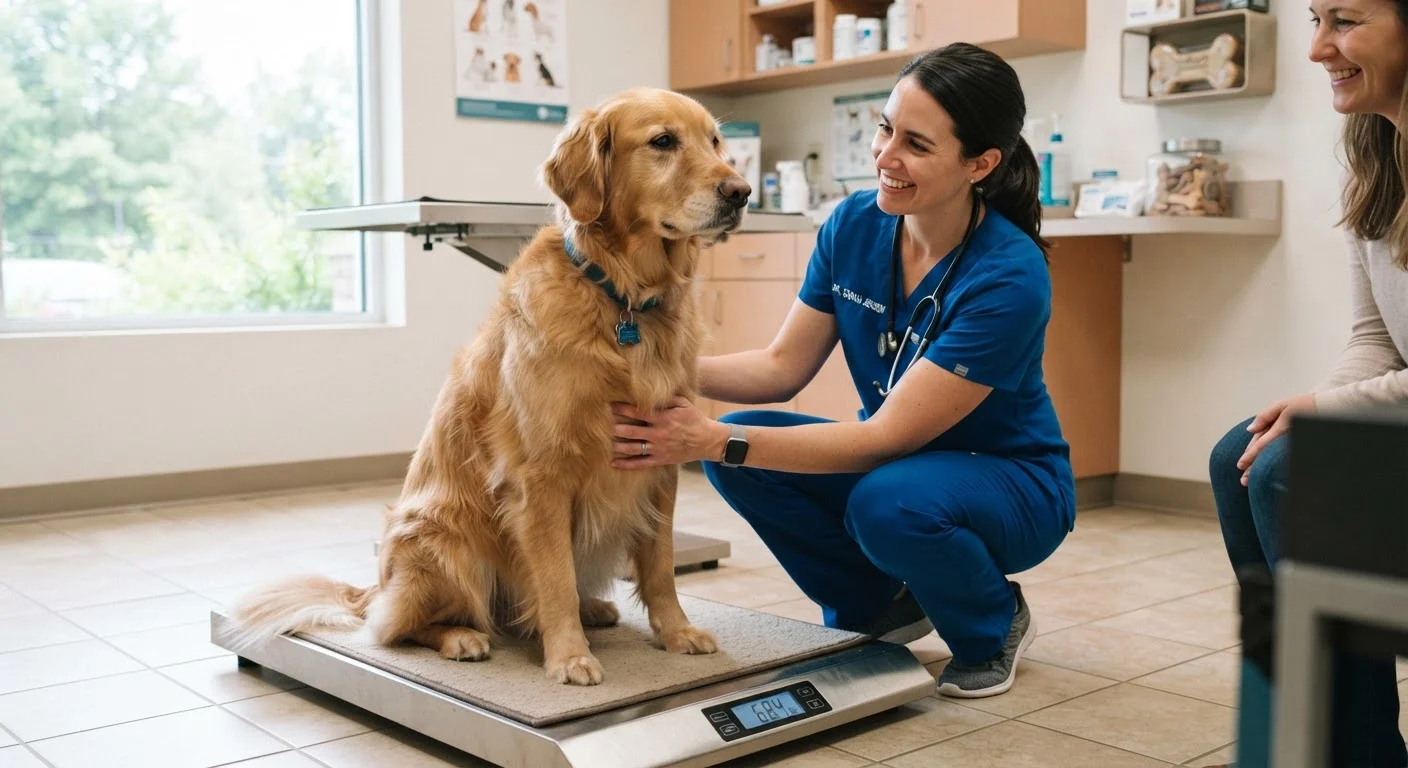
Photo: UnlockTopics.com | Unlocking Trending Content editorial
Key Takeaways
- The number on the scale alone does not accurately reflect whether a pet is at a healthy weight.
- Obesity in pets is linked to serious conditions including diabetes, osteoarthritis, and shortened lifespan.
- Overfeeding — including treats — is the leading driver of weight gain in companion animals.
- Veterinarians use a Body Condition Score to assess fat coverage, not just pounds.
- Weight management in pets should always involve a vet-guided nutrition and exercise plan.
Why the Scale Only Tells Part of the Story
When owners bring their pets in for a wellness visit, the number on the scale often triggers the most conversation. But weight in pounds or kilograms is a limited measure on its own. A stocky bulldog and a lean greyhound might weigh the same, yet have completely different body compositions. That's why veterinarians rely on a Body Condition Score (BCS) — a hands-on assessment that evaluates fat coverage over the ribs, spine, and hip bones, along with visible waist definition.
The BCS scale (commonly 1–9) assigns a score based on feel and appearance rather than raw weight. A score of 4–5 out of 9 is generally considered ideal. Pets scoring 7 or above are typically classified as overweight or obese. This approach is more meaningful because it accounts for natural variation in frame size and muscle mass across breeds and individuals.
For owners, learning to do a simple at-home check — feeling for ribs without pressing hard, looking for a waist tuck from above — can be a useful habit between vet visits. See our head-to-tail reference for healthy pet signs for a practical walkthrough of what to look for.
~59%
U.S. dogs classified as overweight or obese
According to data from the Association for Pet Obesity Prevention, roughly 59% of dogs in the U.S. were assessed as overweight or obese in their clinical surveys.
~61%
U.S. cats classified as overweight or obese
The same Association for Pet Obesity Prevention surveys found that approximately 61% of cats in the U.S. were considered overweight or obese by their veterinarians.
1–9
Body Condition Score scale used by vets
The BCS scale allows veterinarians to assess fat coverage and body composition independent of a pet's raw weight on a scale.
The Real Health Risks of Excess Weight
Pet obesity isn't a cosmetic concern — it's a significant medical issue. Carrying excess fat places measurable stress on nearly every body system. The most well-documented consequences include:
- Osteoarthritis: Extra weight accelerates joint wear, causing pain and reduced mobility, particularly in older animals.
- Type 2 diabetes: Especially common in overweight cats, insulin resistance is closely tied to excess body fat.
- Respiratory difficulties: Fat deposits around the chest restrict normal breathing, worsening in brachycephalic breeds like Bulldogs and Persians.
- Shortened lifespan: Research has suggested that lean dogs may live measurably longer than their overweight counterparts of the same breed.
- Increased surgical and anesthetic risk: Obese pets face higher complication rates during procedures requiring general anesthesia.
These risks underscore why weight management is considered a core component of preventive care — not something to address only when a problem becomes obvious. This connects to a broader pattern of well-meaning habits that quietly harm pets, where overfeeding out of affection is one of the most frequent examples.
What Actually Drives Weight Gain in Pets
The fundamental cause of obesity in pets — consuming more calories than they expend — sounds simple, but several factors make it easy to underestimate how much a pet is actually eating.
Portion Miscalculation
Feeding guidelines on pet food packaging are often based on unspayed or unneutered, moderately active adult animals. Spayed or neutered pets, seniors, and less active animals may need significantly fewer calories. Using a measuring cup rather than estimating by eye makes a notable difference over time.
Treat Overload
Treats are one of the most common and underestimated sources of excess calories. A small biscuit might represent 10–15% of a small dog's daily caloric needs. When treats are given frequently throughout the day by multiple family members, calories accumulate quickly — without anyone realizing it.
Inactivity
Indoor lifestyles, especially in cats, reduce caloric demand. Dogs who skip regular walks or don't have outdoor space burn fewer calories. Matching food intake to actual activity level — not assumed activity — is important.
Medical and Hormonal Factors
Conditions such as hypothyroidism in dogs or the metabolic effects of spaying and neutering can reduce resting metabolism. These factors don't cause obesity on their own, but they do change the caloric equation. This is also why many common pet nutrition beliefs — like assuming a dog needs more food as they age — can quietly lead owners in the wrong direction.
Measure Portions Every Time
The Vet's Role and How to Move Forward
If you suspect your pet is overweight, the most important step is scheduling a veterinary appointment — not starting a restrictive diet on your own. Rapid weight loss is dangerous for pets, particularly cats, who can develop a serious liver condition called hepatic lipidosis when caloric intake drops too sharply, too fast.
A veterinarian will typically:
- Assess body condition using BCS and check for underlying health conditions
- Calculate a target weight and safe rate of loss
- Recommend a specific daily caloric goal or a therapeutic weight-loss diet
- Suggest an appropriate exercise plan for the pet's age, breed, and any joint limitations
- Schedule follow-up weigh-ins to track progress and adjust the plan
Weight management is a gradual process — most veterinarians aim for a loss of roughly 1–2% of body weight per week, though the right pace depends on the individual animal. Consistent follow-through, accurate portion measurement, and honest communication with your vet about what's actually being fed (including treats and table scraps) are the practical foundations of success.
“We tend to think of a chubby pet as cute or content, but what we're often seeing is a condition that shortens lives and reduces quality of life — and one that's very much within our power to address.”
— Ernie Ward, Veterinarian and founder of the Association for Pet Obesity Prevention
This article is for general informational and educational purposes only and is not a substitute for professional veterinary advice, diagnosis, or treatment. Always consult a licensed veterinarian regarding your pet's specific health needs.
Frequently Asked Questions
The content on this site is for informational purposes only and is not a substitute for professional advice. Always consult a qualified professional for guidance specific to your situation.