
Grooming at Home: Building a Safe and Stress-Free Routine for Your Pet

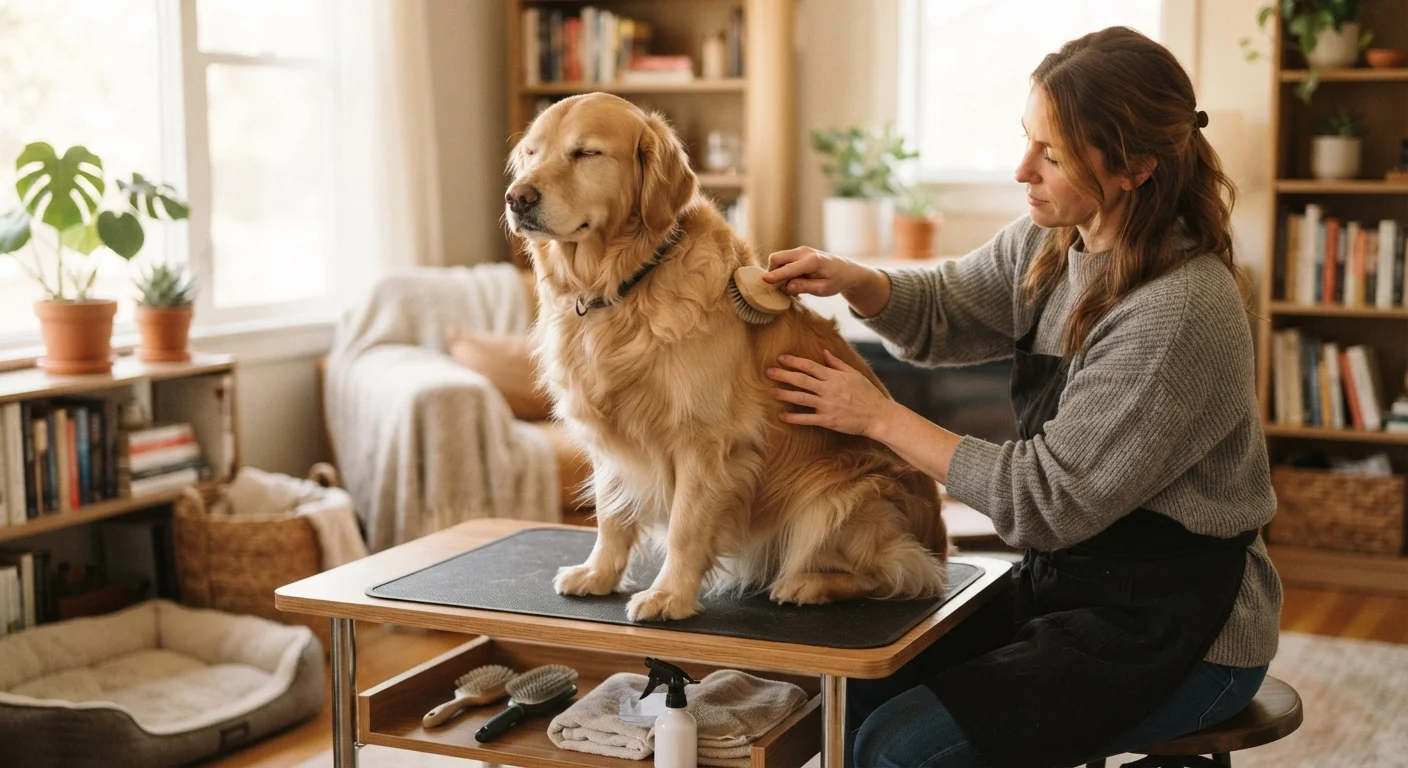
Photo: UnlockTopics.com | Unlocking Trending Content editorial
Key Takeaways
- Short, positive grooming sessions from an early age help pets accept handling without stress.
- Brushing, bathing, nail trimming, and ear cleaning each require different tools and techniques.
- Pausing when a pet shows distress signals is more effective than pushing through resistance.
- Regular grooming doubles as a head-to-tail health check, helping you catch issues early.
- Senior pets and anxious animals may need modified routines - consult your vet when in doubt.
Why Regular At-Home Grooming Matters
Grooming is more than cosmetic maintenance. Regular brushing, bathing, nail trimming, and ear cleaning serve as an ongoing health check that lets you notice changes in your pet's skin, coat, nails, and ears before they escalate into veterinary concerns. Pets that are comfortable with handling are also easier and safer to examine - both at home and at the clinic.
The habits you build now have a long-term payoff. As described in our guide to caring for a pet at every life stage, grooming needs shift as animals age - senior pets may have more sensitive skin, thicker nails, or reduced tolerance for prolonged handling. Starting a consistent routine early makes those adaptations easier to navigate.
For a broader picture of everything a new pet owner should prioritize, the complete beginner's pet care roadmap provides helpful context alongside this guide.
What you will need
Tools You'll Need
Using the right tools for your specific pet's size, species, and coat type makes each grooming task safer and more comfortable. Generic or incorrectly sized equipment can cause discomfort, increase the risk of injury, and make your pet more resistant over time. The items below cover the essentials for dogs and cats; adjust as needed for other species.
Slicker brush or deshedding comb
Removes loose fur, detangles, and distributes natural oils through the coat during brushing sessions.
Pet-safe shampoo
Cleans skin and coat without disrupting your pet's natural pH balance.
Pet nail clippers or grinder
Trims nails to a safe length without splitting or cracking.
Styptic powder
Stops minor bleeding quickly if the nail quick is accidentally cut.
Veterinarian-approved ear cleaner
Loosens wax and debris from the outer ear canal safely.
Non-slip bath mat
Provides footing stability so pets feel secure and less anxious during baths.
Handheld sprayer or pitcher
Allows controlled, gentle rinsing without startling the pet with strong water pressure.
Step-by-Step Grooming Routine
Follow these steps in order for the most effective session. Each task builds on the previous one - for example, brushing before bathing prevents water from worsening any existing tangles. Adjust the pace to your individual pet: some animals may need you to stretch a full routine across two or three separate sessions, especially early on.
Pair Every Session With Positive Reinforcement
Introduce tools before the first full session
Before attempting any grooming, let your pet sniff and investigate each tool at their own pace. Place the brush, clippers, and cotton balls on the floor and allow curiosity to drive the interaction. Over several short sessions - even just two or three minutes each - touch the tool gently to your pet's body without using it, rewarding calm behavior each time. This desensitization step is especially important for puppies, kittens, and any pet new to handling.
Brush the coat thoroughly before bathing
Always brush before bathing - water tightens mats and tangles, making them far harder to remove afterward. Work in the direction of hair growth using a brush suited to your pet's coat length and texture. For double-coated or long-haired breeds, section the coat and work from the ends toward the skin. Short, gentle strokes near sensitive areas like the belly, ears, and legs are more comfortable than broad sweeping motions. Regular brushing also gives you an opportunity to notice lumps, skin changes, or external parasites early - something the head-to-tail health reference can help you evaluate.
Bathe your pet with warm water and pet-safe shampoo
Use lukewarm water - neither hot nor cold - and wet the coat thoroughly before applying shampoo. Lather gently from the neck back, avoiding the eyes and ear canals. Use a damp cloth to clean the face. Rinse completely; shampoo residue left on the skin is a common cause of itching and irritation. After rinsing, wrap your pet in an absorbent towel and pat dry. Avoid high-heat settings on blow dryers unless the dryer is specifically designed for pets, and always hold it at a safe distance.
Trim nails carefully using the correct technique
Clip small amounts at a time rather than attempting to reach the final length in one cut. On light-colored nails, the pinkish quick (the vein inside the nail) is usually visible; stop cutting well before it. On dark nails, trim in tiny increments and look for a grayish or chalky center - that signals you are approaching the quick. If you cut the quick and bleeding occurs, apply styptic powder with gentle pressure for 30 seconds. Many pets find nail grinding less startling than clipping once they are accustomed to the vibration.
Clean the outer ears gently and correctly
Apply a small amount of veterinarian-approved ear cleaner to a cotton ball - never directly into the ear canal - and gently wipe the visible outer folds of the ear. Do not insert anything deeper than you can see. Healthy ears are pale pink with minimal wax and no odor. Routine cleaning frequency varies by breed and individual; ask your vet what schedule is appropriate for your pet. Dogs with floppy ears or those who swim regularly may need more frequent attention.
End every session positively and track what you observed
Finish with praise, a treat, and calm interaction so your pet associates grooming with good outcomes. Keep a brief written note of anything unusual you noticed - changes in coat texture, new lumps, nail condition, ear appearance - and bring these observations to your next veterinary appointment. Consistent at-home grooming integrates naturally with the broader routine tracking outlined in the monthly pet wellness checklist.
Managing Anxiety and Building Confidence Over Time
Grooming resistance is common and rarely permanent. Pets that react with avoidance, freezing, or protest usually do so because the experience feels unpredictable or physically uncomfortable - not because they are being stubborn. Approaching each session with patience and genuine attention to your pet's body language makes a meaningful difference.
Stop If Your Pet Shows Pain or Fear
Progress is rarely linear. A pet that accepted nail trimming last week may resist it the next time if they are tired, unwell, or the environment is noisier than usual. Adjust your expectations accordingly, and avoid inadvertently reinforcing avoidance by offering treats specifically when a pet protests - reward calm behavior instead. If you're noticing anxiety that extends beyond grooming sessions, the pet behavior self-assessment can help you determine whether what you're seeing warrants professional input.
Never Use Human Products on Pets
It's also worth reviewing your overall care habits periodically. Some well-intentioned grooming routines - over-bathing, using the wrong shampoo frequency, or aggressive mat removal - can inadvertently cause harm. The article on well-meaning habits that can harm a pet's health is a useful counterpart to this guide.
This article is for general informational purposes only and does not constitute veterinary advice. Always consult a licensed veterinarian for guidance specific to your pet's health needs.
The content on this site is for informational purposes only and is not a substitute for professional advice. Always consult a qualified professional for guidance specific to your situation.