
Keeping a Savings Account Open When Expenses Rise: Advantages and Drawbacks

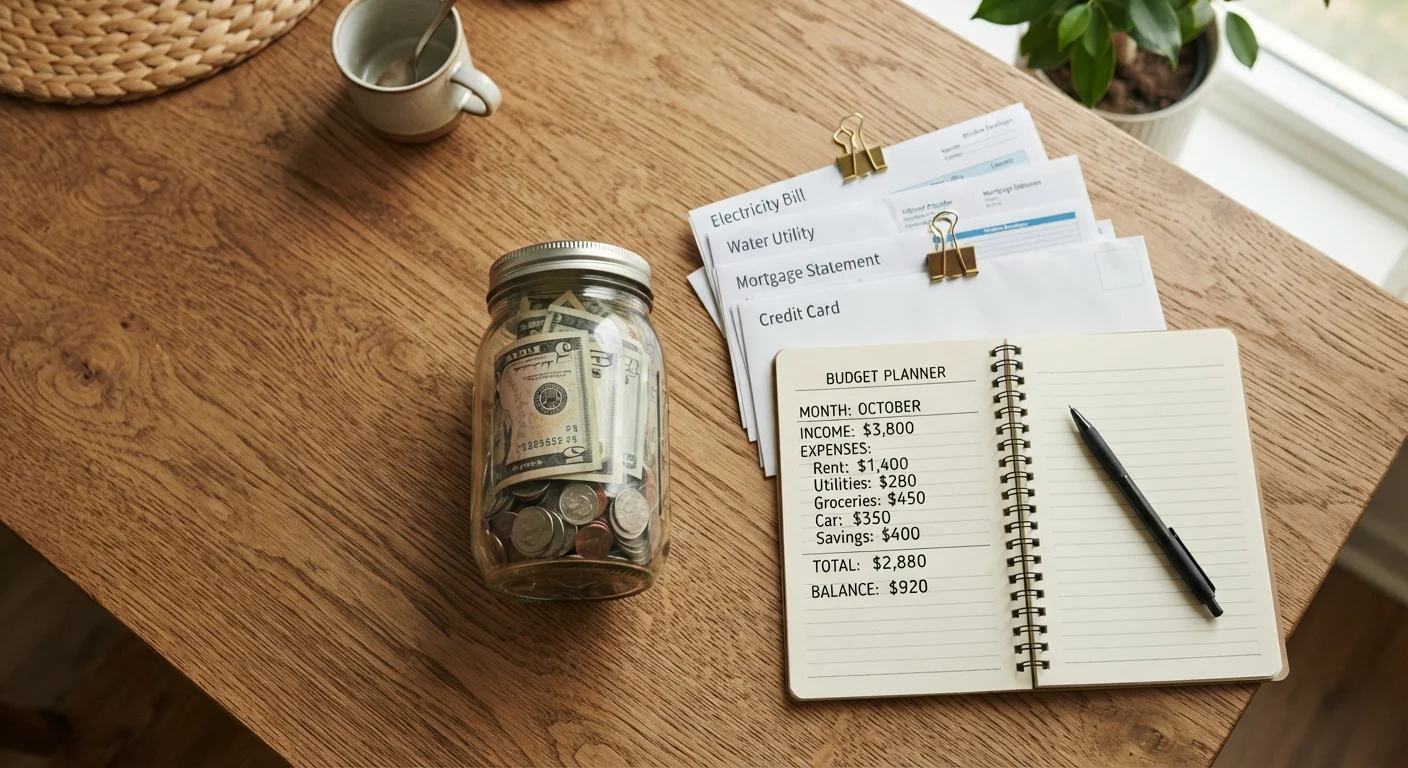
Photo: UnlockTopics.com | Unlocking Trending Content editorial
Key Takeaways
- Maintaining a savings account during high-expense periods protects you from relying entirely on debt when emergencies hit.
- Even small, consistent contributions preserve the habit of saving and make it easier to rebuild balances later.
- Keeping savings in a separate account reduces the temptation to spend it on day-to-day costs.
- When every dollar counts, the interest earned on a low balance may not outpace inflation or high-interest debt.
- The right choice depends on your specific debt load, income stability, and what financial cushion you actually need.
Preserves your emergency financial buffer
Even a modest balance means you have somewhere to turn when an unexpected expense hits, reducing the need to reach for high-interest credit.
Keeps the savings habit intact
Maintaining a regular transfer - however small - makes it far easier to ramp contributions back up when expenses ease, compared to starting from zero.
Separates spending money from reserve money
Keeping funds in a distinct savings account creates a psychological barrier that helps prevent those dollars from being absorbed into daily expenses.
Earns some interest on held funds
A high-yield savings account can return meaningful interest even on a modest balance, especially compared to money sitting in a low-rate checking account.
Supports long-term financial goals
Pausing contributions to a goal - like a home down payment or vehicle replacement - delays progress but keeping the account active prevents a full reset.
Low balance earns very little interest
A small balance may earn only a few dollars per year, which provides limited financial benefit on its own and may not keep pace with inflation.
Savings rate may not beat high-interest debt
If you're carrying high-APR credit card debt, the interest you pay on that debt will almost certainly exceed what your savings account earns - making debt paydown the higher-return move.
Risk of treating it as a spending buffer
When expenses are elevated and cash flow is strained, some people repeatedly dip into savings for non-emergencies, eroding the balance and undermining the account's purpose.
Can create a false sense of financial security
Seeing a small savings balance may make some people feel more secure than their overall financial picture warrants, potentially leading to delayed action on more pressing issues like debt.
The Core Question: Save or Redirect?
When expenses climb - whether from rent increases, medical bills, inflation, or a change in household income - the savings account often becomes the first casualty. The logic seems simple: if money is tight, stop saving it. But the decision deserves a closer look, because closing the door on saving entirely can create problems that outlast the tight period.
This isn't about maintaining a rigid savings rate at all costs. It's about understanding what you gain and what you give up when you keep that account open, even if you're only adding a small amount each month. Thinking it through clearly - rather than reacting to immediate pressure - tends to lead to better decisions. For a broader view of how to structure your approach, see our guide to building a savings system that fits real life.
Advantages of Keeping Your Savings Account Open
There are several meaningful reasons to keep the account active, even when contributions shrink.
Preserves your emergency financial buffer
Even a modest balance means you have somewhere to turn when an unexpected expense hits, reducing the need to reach for high-interest credit.
Keeps the savings habit intact
Maintaining a regular transfer - however small - makes it far easier to ramp contributions back up when expenses ease, compared to starting from zero.
Separates spending money from reserve money
Keeping funds in a distinct savings account creates a psychological barrier that helps prevent those dollars from being absorbed into daily expenses.
Earns some interest on held funds
A high-yield savings account can return meaningful interest even on a modest balance, especially compared to money sitting in a low-rate checking account.
Supports long-term financial goals
Pausing contributions to a goal - like a home down payment or vehicle replacement - delays progress but keeping the account active prevents a full reset.
One underappreciated benefit is behavioral. Research in personal finance consistently shows that people who stop saving during hard times often struggle to restart the habit once expenses stabilize. Keeping even a small automatic transfer in place - say, $10 or $25 per paycheck - preserves the muscle memory. Our article on why automating savings outperforms manual transfers explains the behavioral science behind this.
There's also the question of where emergency money comes from. A thin savings cushion is still a cushion. Without it, an unexpected car repair or medical copay goes straight onto a credit card, often at a high interest rate - which compounds the financial pressure you're already under.
Drawbacks to Consider
Keeping savings open isn't without real trade-offs, especially when debt is part of the picture.
Low balance earns very little interest
A small balance may earn only a few dollars per year, which provides limited financial benefit on its own and may not keep pace with inflation.
Savings rate may not beat high-interest debt
If you're carrying high-APR credit card debt, the interest you pay on that debt will almost certainly exceed what your savings account earns - making debt paydown the higher-return move.
Risk of treating it as a spending buffer
When expenses are elevated and cash flow is strained, some people repeatedly dip into savings for non-emergencies, eroding the balance and undermining the account's purpose.
Can create a false sense of financial security
Seeing a small savings balance may make some people feel more secure than their overall financial picture warrants, potentially leading to delayed action on more pressing issues like debt.
The opportunity cost is the most important factor to weigh honestly. If you're carrying credit card debt at 20-25% APR and your savings account is earning 4-5%, you are paying more to borrow than you earn on the balance you're holding. In that scenario, aggressively paying down debt first - then rebuilding savings - may result in a stronger financial position overall. A licensed financial adviser can help you run these numbers for your specific situation.
~57%
Americans with under $1,000 in emergency savings
A 2023 Bankrate survey found a majority of U.S. adults would struggle to cover a $1,000 emergency expense from savings alone.
20%+
Typical credit card APR in the U.S.
Federal Reserve data has consistently shown average credit card interest rates above 20%, making high-interest debt a significant drag on household finances.
It's also worth being honest about liquidity risk. Keeping savings in an account you can easily access is valuable - but only if you can trust yourself not to dip into it for non-emergencies. If the account balance tends to drift into everyday spending, a structured approach with a clear goal timeline may help you protect the balance.
Finding a Middle Path
Most people don't face a pure binary choice. There are practical ways to keep savings alive without abandoning progress on debt or bills.
- Reduce, don't eliminate: Temporarily dropping your savings contribution to a small fixed amount keeps the account and the habit intact without straining the budget further.
- Prioritize your emergency fund floor: Many financial educators suggest aiming to maintain a minimum of one month's essential expenses in an accessible account - even during tight periods - as a baseline buffer.
- Choose the right account type: If you're going to keep savings active, you might as well earn the most available interest on what's there. Our breakdown of high-yield vs. standard savings accounts covers what to look for.
- Revisit regularly: As your expenses stabilize, increase contributions incrementally. Habits built at a small scale are easier to scale up than habits that were abandoned entirely.
The savings habits that hold up across income levels article offers additional approaches tailored to different financial situations.
This article is for general informational purposes only and does not constitute personalized financial advice. Consult a qualified financial professional before making changes to your savings or debt repayment strategy.
The content on this site is for informational purposes only and is not a substitute for professional advice. Always consult a qualified professional for guidance specific to your situation.