
Why Budgets Fail in the Second Month (And What to Do Instead)

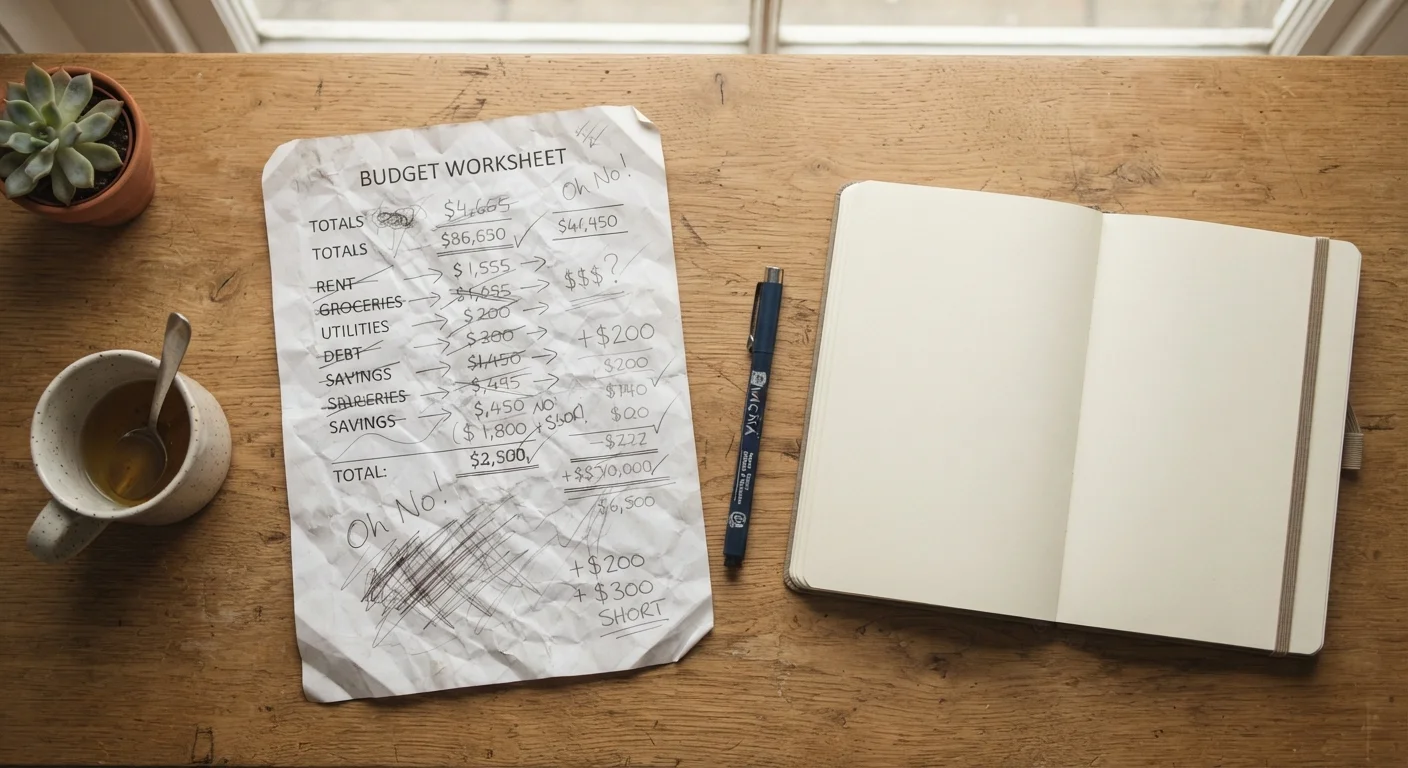
Photo: UnlockTopics.com | Unlocking Trending Content editorial
Key Takeaways
- Budgets most often collapse in month two when irregular expenses hit that weren't accounted for upfront.
- Overly rigid spending categories set people up to feel like failures rather than helping them adjust.
- Building in a monthly review habit is what separates budgets that last from ones that get abandoned.
- A realistic budget reflects your actual spending history, not an idealized version of it.
- Small, sustainable changes outperform dramatic overhauls when it comes to sticking with a budget.
The Real Reason Budgets Fall Apart
Most people who abandon a budget in month two don't do it because they're undisciplined. They do it because the budget they built in month one was never designed to survive contact with real life.
Month one is fueled by motivation. You track carefully, you cut back, and the numbers more or less work out. Then month two arrives - with a car registration fee, an unexpectedly high utility bill, or a friend's birthday dinner that wasn't in the plan - and suddenly everything is "off." That feeling of failure is usually what ends the effort entirely.
The good news: these failure points are predictable. And predictable problems have structural fixes. If you're just getting started, building your first personal budget is a useful place to lay the groundwork before addressing what usually goes wrong next.
Your Budget Should Fit Your Life
Common Mistakes That Sink Budgets - and How to Fix Them
The mistakes below aren't character flaws. They're design flaws - and each one has a concrete correction.
Building the budget around ideal spending rather than actual spending history.
Failing to account for irregular but predictable expenses.
Creating categories so tight there's no room for normal life variation.
Treating the first draft as final rather than as a starting point.
Leaving no room in the budget for enjoyment or personal spending.
Don't Mistake Guilt for a Data Problem
If you want a structured walkthrough after addressing these issues, building a monthly budget from scratch offers a step-by-step process that bakes many of these fixes in from the start.
What a Sustainable Budget Actually Looks Like
A budget that lasts isn't one that's perfectly optimized - it's one that's honest, flexible, and regularly tended. Think of it less like a strict diet and more like a standing appointment with your finances.
~80%
Of budgeters who quit do so within 3 months
Behavioral finance research consistently shows most budget abandonment happens in the first few months, often after the initial motivation fades and structural gaps surface.
3x
Months of data needed for an accurate spending baseline
Financial educators generally recommend reviewing at least three months of actual transactions before setting budget targets, to account for natural variation.
Sustainable budgets share a few common traits: they're built on real data, they account for irregular costs ahead of time, they have some built-in breathing room, and they get reviewed and adjusted each month. None of these require advanced financial knowledge. They require consistency over perfection.
It's also worth knowing that many of the assumptions people carry about budgeting aren't accurate. Common budgeting myths often do more to keep people stuck than any actual budget misstep.
Once your budget starts holding, the next natural step is putting those savings to work. The saving strategies hub covers straightforward approaches for building an emergency fund and growing savings over time.
This article is for general informational and educational purposes only and does not constitute personalized financial advice. Consult a licensed financial professional for guidance tailored to your individual circumstances.
The content on this site is for informational purposes only and is not a substitute for professional advice. Always consult a qualified professional for guidance specific to your situation.