
The Relationship Between Gut Health and What You Eat

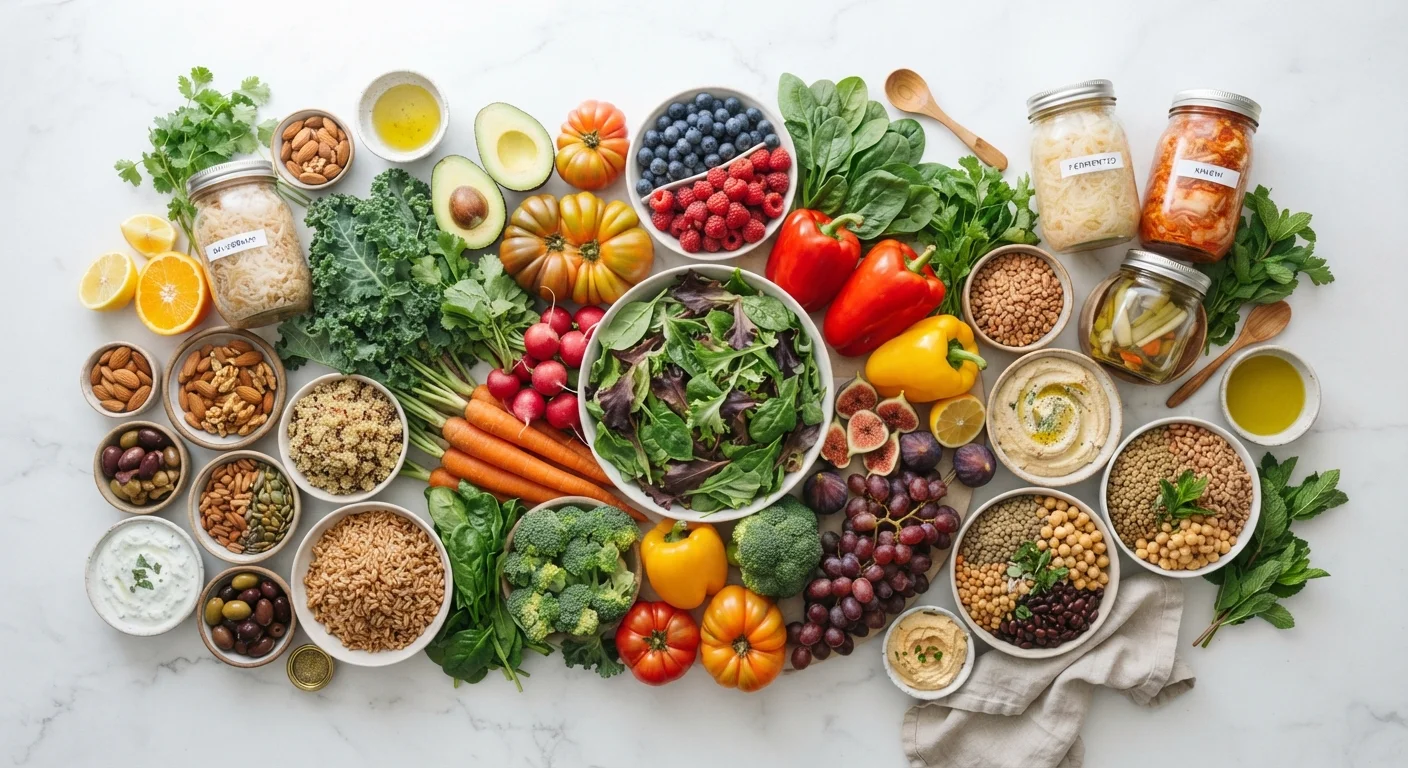
Photo: UnlockTopics.com | Unlocking Trending Content editorial
Key Takeaways
- The gut microbiome contains trillions of microorganisms that influence digestion, immunity, and more.
- Dietary fiber is the primary fuel source for beneficial gut bacteria.
- Fermented foods may increase microbial diversity, though individual responses vary.
- Ultra-processed foods are consistently linked to reduced microbial diversity in research.
- Small, consistent dietary shifts are more effective than dramatic short-term overhauls.
- Always consult a healthcare professional before making significant changes to manage a specific health condition.
What Is the Gut Microbiome?
The human gut is home to roughly 100 trillion microorganisms - bacteria, fungi, viruses, and other microbes - collectively called the gut microbiome. This ecosystem is largely concentrated in the large intestine and plays a central role in breaking down food, synthesizing certain vitamins, and training the immune system to distinguish between harmful invaders and harmless substances.
Research over the past two decades has shown that the composition of your microbiome is highly individual, shaped by factors including genetics, early-life exposures, medications, and - most influentially on a day-to-day basis - what you eat. Greater microbial diversity (a wider variety of species) is generally associated with better health outcomes in population studies, though the science is still actively evolving.
~100 trillion
Microorganisms in the human gut
Estimates from microbiome research consistently place the number of microbial cells in the human gastrointestinal tract in the range of tens of trillions.
30+
Plant varieties per week linked to higher diversity
The American Gut Project (McDonald et al., 2018) found measurably greater microbial diversity in individuals consuming 30 or more different plant foods weekly.
~70%
Of the immune system located in the gut
Immunologists broadly estimate that the majority of immune tissue is associated with the gastrointestinal tract, underscoring the gut's systemic importance.
How Diet Shapes Microbial Diversity
Microbes in the gut are, in the most direct sense, fed by what you consume. Different microbial species thrive on different substrates, meaning the range of foods you eat largely determines which communities flourish. Plant-based dietary patterns tend to support higher microbial diversity, largely because plants deliver a wide array of dietary fibers and polyphenols - compounds that serve as fuel and signaling molecules for gut bacteria.
A landmark study published in Cell (Sonnenburg et al., 2021) found that a high-fiber diet increased microbiome diversity over time, while a fermented-food diet raised diversity more rapidly in the short term. Both approaches showed measurable immune benefits, underscoring that there is more than one dietary path toward a healthier microbiome. Diet changes can begin to shift microbial populations within days - though sustaining those shifts requires sustained eating patterns.
When adding fiber-rich foods, increase intake gradually and pair with adequate water to minimize digestive discomfort during the adjustment period.
Rotate your fermented foods rather than defaulting to the same one daily - different products carry different microbial strains, and variety compounds the potential benefit.
Foods That Support a Healthy Gut
Certain food categories appear consistently across research as beneficial for gut microbial health:
- High-fiber foods: Legumes, lentils, oats, barley, and vegetables such as artichokes, leeks, and onions contain prebiotic fibers - non-digestible carbohydrates that feed beneficial bacteria like Bifidobacterium and Lactobacillus.
- Fermented foods: Yogurt with live cultures, kefir, kimchi, sauerkraut, miso, and kombucha deliver live microorganisms (probiotics) that may contribute to microbial diversity. Evidence on specific strains and outcomes continues to develop.
- Polyphenol-rich foods: Berries, dark leafy greens, extra-virgin olive oil, green tea, and dark chocolate contain polyphenols that research suggests may support the growth of beneficial bacterial species.
- Diverse whole plant foods: A 2018 analysis found that people eating 30 or more different plant foods per week had significantly more diverse gut microbiomes than those eating 10 or fewer. Variety, not just volume, matters.
For a broader look at the nutritional differences between whole and minimally processed foods, see our guide on whole foods versus processed foods.
Foods and Patterns That May Disrupt Gut Balance
Just as some foods support a thriving microbiome, others are associated - in multiple large observational studies - with reduced microbial diversity or increased levels of potentially harmful bacterial species.
Probiotic and 'Gut Health' Product Claims
- Ultra-processed foods: Products high in refined sugars, artificial emulsifiers, and low in fiber have been linked to lower gut microbial diversity in cohort studies. Emulsifiers in particular have drawn attention for potentially disrupting the mucus layer lining the gut.
- Chronically high saturated fat intake: Some research suggests diets very high in saturated fat may shift microbial communities toward species associated with low-grade inflammation, though this is an active area of study and dietary context matters.
- Alcohol: Heavy alcohol consumption is associated with alterations in gut bacteria composition and intestinal permeability in clinical research.
It is worth noting that most evidence in this area is observational - it shows associations, not direct causation. Individual variation in microbiome response is also substantial. Maintaining adequate hydration is another often-overlooked factor; our overview of hydration and nutrient absorption explains why water intake matters alongside food choices.
Gut Health and Overall Wellbeing
The gut microbiome communicates with the rest of the body through multiple pathways, including the immune system, metabolic signaling, and the gut-brain axis - a bidirectional communication network linking the enteric nervous system in the gut with the central nervous system. This connection is why gut health has become a topic of interest beyond digestion alone.
Emerging research suggests links between gut microbial health and conditions including metabolic function, immune regulation, and even mood, though much of this science is preliminary and complex. It is important to distinguish established findings from early-stage hypotheses. For example, the relationship between gut bacteria and mental wellbeing is genuinely being studied, but no dietary intervention has been proven to treat a mental health condition. Our companion article on exercise and mental wellbeing similarly addresses an evidence landscape where real connections exist alongside significant unknowns.
“The gut microbiome is not a fixed entity - it is a dynamic ecosystem that responds to what we eat, often within days. That plasticity is both the challenge and the opportunity.”
— Justin Sonnenburg, Professor of Microbiology and Immunology, Stanford University School of Medicine
Practical Steps for Everyday Eating
Applying the science of gut health does not require dramatic dietary overhauls. The following principles reflect the current weight of evidence:
- Add before you subtract. Focus first on incorporating more fiber-rich plant foods - legumes, whole grains, vegetables, fruits - rather than obsessing over eliminating foods entirely.
- Eat a wide variety of plants. Aim for plant food variety across the week. Different fiber types feed different microbial species.
- Include fermented foods regularly. If tolerated, adding a serving of yogurt, kefir, or fermented vegetables most days is a reasonable, low-risk practice supported by emerging evidence.
- Limit ultra-processed foods where possible. Reducing reliance on heavily processed products is a consistent theme across nutrition research, including gut health studies.
- Be skeptical of probiotic supplements without clinical reason. Over-the-counter probiotic supplements vary enormously in strain, dose, and quality. Consult a healthcare provider before using them to address a specific health concern.
Start With One Change Per Week
This article provides general health information and education. It is not a substitute for personalized medical or nutritional advice. If you have digestive symptoms, a diagnosed gut condition, or are considering significant dietary changes to manage a health concern, please consult a qualified healthcare professional.
The content on this site is for informational purposes only and is not a substitute for professional advice. Always consult a qualified professional for guidance specific to your situation.