
Group Classes vs. Solo Workouts: Finding the Format That Fits

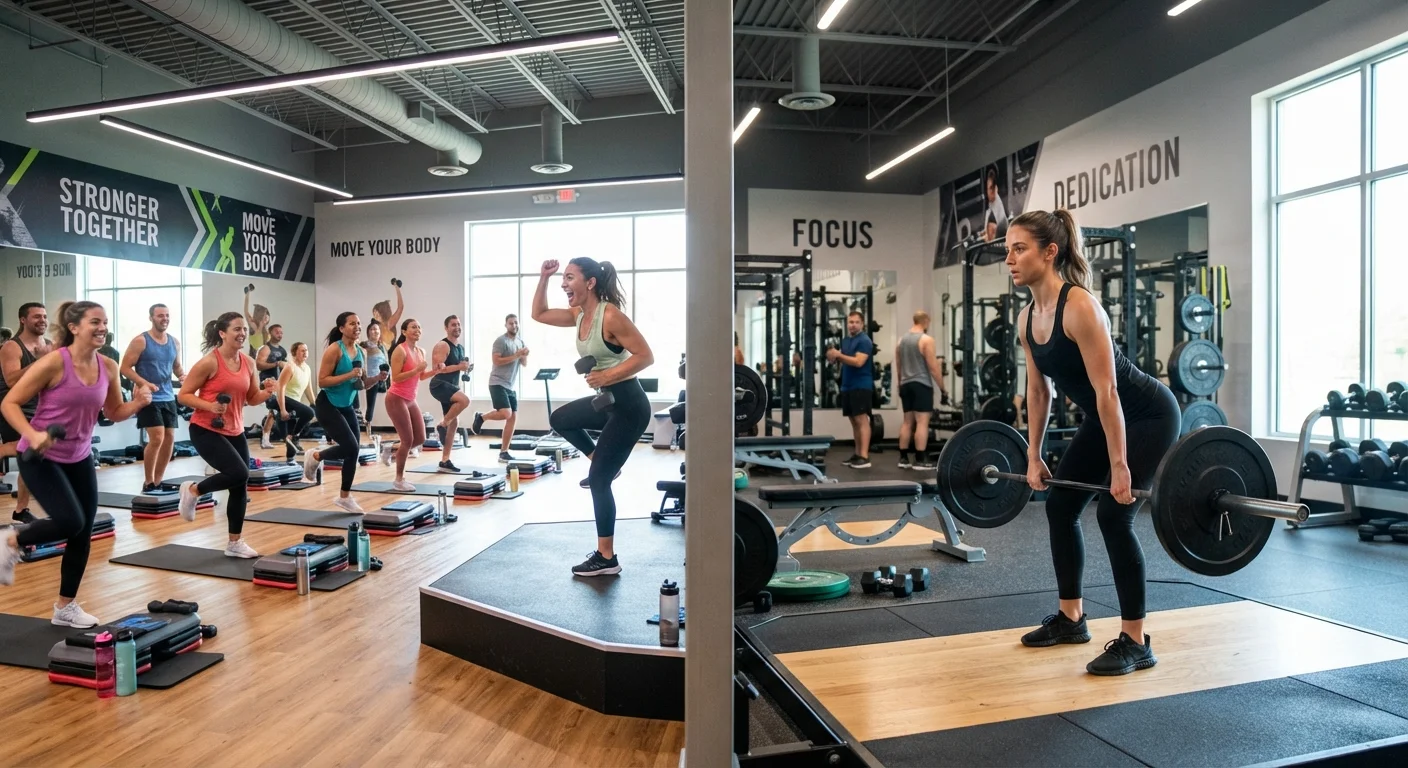
Photo: UnlockTopics.com | Unlocking Trending Content editorial
Key Takeaways
- Group classes offer built-in structure, social energy, and accountability that many beginners find motivating.
- Solo workouts allow full control over pace, scheduling, and exercise selection, which suits self-directed individuals.
- Research suggests social exercise can boost adherence, but individual preference ultimately drives long-term consistency.
- Neither format is universally superior - many people benefit from combining both approaches.
- Always consult a qualified fitness professional before starting a new exercise program, especially after a break or injury.
Why the Format You Choose Matters More Than You Think
Most fitness advice focuses on what to do - which exercises, how many sets, which days to train. Far less attention goes to how you prefer to work out, even though that structural choice has an outsized impact on whether you keep showing up at all.
Group classes and solo workouts are not just logistical preferences. They engage different psychological levers: social connection, autonomy, competition, and routine. Understanding those differences helps you choose a format that actually fits your life - rather than one that sounds impressive but quietly falls apart after a few weeks. For a deeper look at why some fitness approaches struggle to stick, see common habits that undermine consistency.
The Case for Group Classes
Group exercise environments work through several well-documented mechanisms. The Köhler effect - a phenomenon studied in social psychology - describes how people tend to work harder in group settings than alone, particularly when they perceive themselves as the weakest member of the group. Instructors provide real-time cueing that can reduce injury risk for those unfamiliar with proper form.
Scheduled class times also create external commitment. When a class is booked, skipping it carries a social cost that a vague intention to "work out later" does not. This built-in accountability is especially valuable for beginners or anyone returning to fitness after a long break.
The main limitations are real: fixed schedules may not suit irregular work hours, the pace is set by the instructor rather than your body, and class fees can add up. Beginners may also find some formats intimidating until they learn the movements.
Try Before You Commit
The Case for Solo Workouts
Training alone gives you complete control over tempo, rest periods, exercise selection, and timing. That flexibility is not trivial - research consistently identifies schedule inflexibility as a top reason people abandon exercise programs.
Solo workouts also allow precise progression. If you are following a structured strength program, you can increase loads, track metrics, and adjust volume week to week without negotiating around a class format. This matters especially for goal-oriented exercisers. If you are new to resistance training, a foundational strength guide can help you build a self-directed plan from the ground up.
The challenge is self-regulation. Without external structure, workouts can drift toward the comfortable and familiar, or get skipped entirely when motivation dips. Solo training rewards people who are already internally motivated or who have built reliable exercise habits.
| Group Classes | Solo Workouts | |
|---|---|---|
| Accountability | High - scheduled, social commitment | Self-directed - requires internal motivation |
| Scheduling flexibility | Fixed class times | Train anytime, anywhere |
| Personalization | Limited - instructor sets pace | Full control over intensity and progression |
| Beginner-friendliness | High - guided instruction and form cues | Varies - requires some baseline knowledge |
| Social motivation | Built-in group energy | Absent unless added intentionally |
| Cost | Often higher (class or studio fees) | Lower if gym membership is used broadly |
| Progression tracking | Difficult within class format | Easy to measure and adjust week to week |
Combining Both: A Practical Middle Ground
The most sustainable approach for many people is not an either/or choice. Using group classes for specific training types - say, a weekly yoga session or a cardio-focused class - while keeping solo sessions for progressive strength work gives you social energy where it helps and flexibility where you need it.
This hybrid model also reduces the risk of exercise boredom, which is a genuine driver of dropout. Structuring a varied weekly movement plan does not require a gym, and the same logic applies here: variety in format, not just exercise type, supports long-term adherence.
Whether you train with others or alone, the exercise modalities you choose - cardio, strength, mobility - carry their own distinct benefits. Understanding those differences is worthwhile; see what cardio and strength training each do for your body for a clear breakdown.
This article is for general informational and educational purposes only and is not a substitute for professional medical or fitness advice. Consult a qualified healthcare provider or certified fitness professional before beginning any new exercise program.
The content on this site is for informational purposes only and is not a substitute for professional advice. Always consult a qualified professional for guidance specific to your situation.