
Building a Weekly Movement Routine Without a Gym

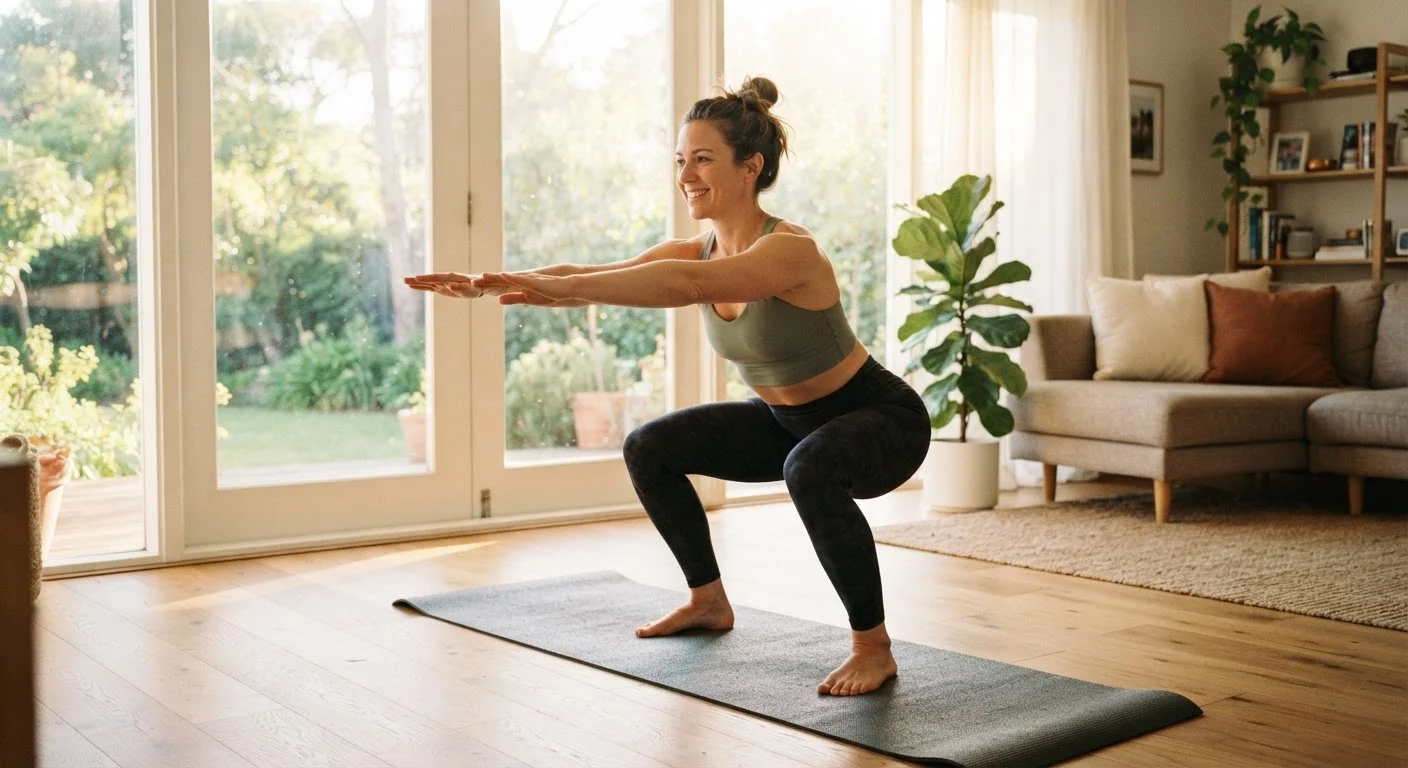
Photo: UnlockTopics.com | Unlocking Trending Content editorial
Key Takeaways
- A balanced movement week should include strength, cardio, and mobility work - no gym required.
- Bodyweight exercises and everyday spaces are sufficient for building sustainable fitness habits.
- Consistency over intensity is the core principle for long-term progress.
- Rest and recovery days are a structured part of a healthy routine, not a gap in it.
- Tracking non-scale indicators like energy and strength gains helps you see real progress.
Why Structure Matters More Than Equipment
The most common barrier people cite for not exercising regularly isn't motivation - it's logistics. A gym membership adds cost, travel time, and scheduling friction. Research consistently shows that reducing barriers to movement is one of the most reliable ways to build lasting habits. A structured home routine addresses this directly: when the plan is clear and the location is your own space, fewer obstacles stand between intention and action.
Structure also prevents the trap of either doing too much on some days or too little on others. A planned weekly framework - even a simple one - distributes effort sensibly across the week, which is important for both progress and injury prevention. If you prefer a social or class-based environment, it's worth reading how group classes and solo workouts compare to determine what genuinely suits you before committing to any format.
Consult a Professional Before Starting
The steps below outline a practical system for building that structure from the ground up - no equipment required to start, and no gym membership needed at any stage.
What You'll Need Before You Begin
The good news: the list is short. A clear floor space roughly the size of a yoga mat covers most bodyweight exercises. Outdoor areas like sidewalks, parks, and stairs expand your cardio options significantly at no cost.
What you will need
Yoga or Exercise Mat
Provides cushioning and grip for floor-based movements like planks, bridges, and stretching.
Resistance Bands
Adds adjustable tension to bodyweight exercises to increase challenge without heavy equipment.
Timer or Interval App
Helps you pace work and rest periods during cardio or circuit-style sessions.
Comfortable, Supportive Shoes
Reduces injury risk during jumping, walking, or high-rep lower-body movements.
None of these tools are prerequisites for getting started - many people begin with just shoes and a phone timer. Add equipment only when a specific gap in your routine calls for it.
How to Structure Your Movement Week
Follow the steps below to build a week that covers the three essential movement categories - strength, cardio, and mobility - without overcomplicating the process.
Define How Many Days Per Week You Can Realistically Move
Before planning any specific exercises, decide how many days per week you can honestly commit to. For most beginners, three to four days strikes a productive balance - enough frequency to build habit and fitness, with room for recovery. Two days is a valid starting point if your schedule is tight or you're building confidence. Write your chosen days down or block them in your calendar as you would any appointment.
Assign a Movement Type to Each Day
A well-rounded week includes three categories: strength (building muscle and functional capacity), cardio (elevating heart rate and supporting cardiovascular health), and mobility or recovery (maintaining joint range of motion and reducing stiffness). A simple three-day structure might look like: Day 1 - strength, Day 2 - cardio, Day 3 - mobility. On a four-day plan, add a second strength session. Avoid scheduling the same type back-to-back if possible, which helps manage fatigue.
Build Your Bodyweight Strength Session
A home strength session doesn't need equipment to be effective. Focus on fundamental movement patterns: squat (e.g., bodyweight squat, split squat), hinge (e.g., glute bridge, single-leg deadlift), push (e.g., push-up variations), pull (e.g., resistance band row or door-frame row), and core (e.g., plank, dead bug). Choose one to two exercises per pattern and perform two to three sets. Rest one to two minutes between sets. A session typically takes 25-40 minutes.
Design a Simple Cardio Session
Cardio without a treadmill or gym is entirely achievable. Options include brisk walking, jogging outdoors, stair climbing at home or in a building, jumping jacks, and marching in place. Aim for 20-30 minutes of continuous movement at a pace where you can speak in short sentences but feel your breathing elevated. Alternatively, use a simple interval format: 30 seconds of effort followed by 30 seconds of rest, repeated for 15-20 rounds.
Add a Dedicated Mobility or Recovery Day
Mobility work - gentle stretching, yoga flows, or targeted joint circles - is an active part of your routine, not a filler. Spend 20-30 minutes on areas that feel tight after your strength or cardio days: hips, thoracic spine, shoulders, and calves are common priority zones. Slow, controlled movement held for 30-60 seconds per position is generally effective for improving range of motion over time. A recovery day can also include a leisurely walk, which supports circulation without adding significant training stress.
Schedule Rest Days Intentionally
Rest days are not failures of discipline - they are when your muscles repair and adapt. Plan at least two full rest days per week, especially in your first month. On rest days, light activity like a short walk is fine, but avoid structured training sessions. If you feel persistently fatigued, sore, or unmotivated, that is a signal to rest rather than push through.
Review and Adjust Every Two to Four Weeks
A routine that never evolves stops producing results. Every two to four weeks, assess what's working. Can you add one more set? Try a harder exercise variation? Reduce rest periods slightly? Small, incremental progressions - known as progressive overload - are what drive continued adaptation. If you're curious about expanding into structured strength training, strength training from scratch is a natural next step.
Avoid Doing Too Much Too Soon
Track Progress Beyond the Scale
This article is for general informational purposes only and does not constitute medical advice. Always consult a qualified healthcare professional before beginning a new exercise program, especially if you have existing health conditions or injuries.
The content on this site is for informational purposes only and is not a substitute for professional advice. Always consult a qualified professional for guidance specific to your situation.