
Battery Health and Why Cars Often Die Without Warning

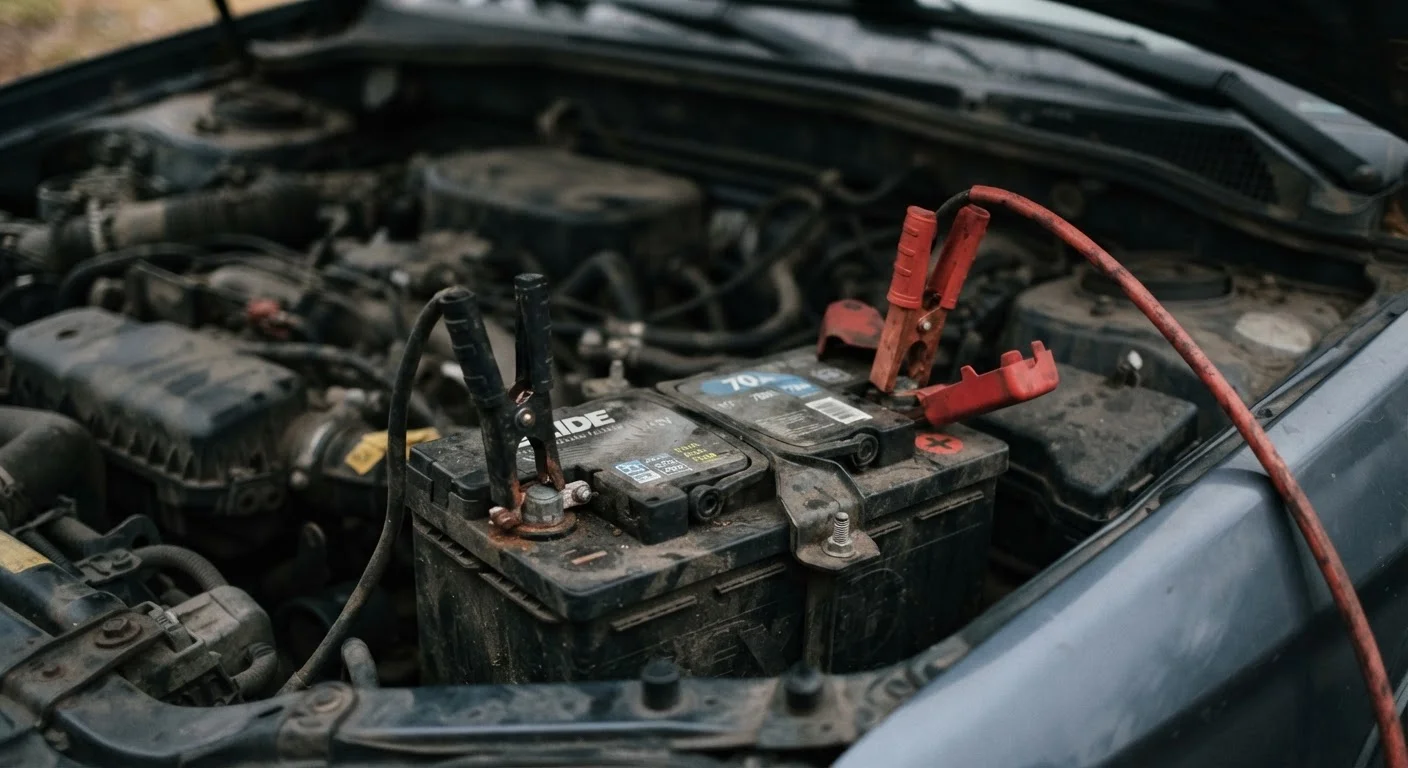
Photo: UnlockTopics.com | Unlocking Trending Content editorial
Key Takeaways
- Most car batteries last three to five years, though real-world conditions vary considerably.
- Batteries degrade internally before showing outward signs - sudden failure is common.
- Extreme temperatures, short trips, and parasitic drain are the leading causes of early battery death.
- A load test at a shop is the most reliable way to assess battery condition.
- Slow engine cranking is the single most useful early warning sign to watch for.
How a Car Battery Actually Works
A standard automotive battery is a lead-acid unit - a sealed case containing lead plates submerged in a sulfuric acid electrolyte solution. When you turn the key or push the ignition button, the battery delivers a large burst of current to the starter motor, which cranks the engine. Once running, your vehicle's alternator takes over, powering the electrical system and recharging the battery.
This chemistry is reliable but not indefinitely so. Every charge and discharge cycle causes microscopic changes to the lead plates - a process called sulfation. Over time, sulfate crystals build up on the plates, reducing the surface area available for chemical reactions and shrinking the battery's capacity to hold and deliver charge.
The frustrating part: this degradation happens below the surface. A battery can still start your car on a warm morning while barely having enough reserve for a cold one. That's why the failure feels sudden even when it wasn't.
Car Batteries vs. Consumer Electronics Batteries
What Shortens Battery Life
Several factors accelerate the decline that every battery will eventually experience:
- Heat: High under-hood temperatures speed up the chemical reactions that cause sulfation and plate corrosion. Counterintuitively, batteries often fail in winter after being weakened by the prior summer.
- Short trips: Each engine start uses a burst of power that the alternator then has to replenish. If most of your drives are under 15 minutes, the battery rarely gets a full recharge - degrading capacity over months.
- Parasitic drain: Any electrical component that stays active when the car is off draws power continuously. A faulty module or a light left on can drain a battery overnight. Modern vehicles with numerous always-on systems can be more vulnerable to this.
- Vibration: A battery not properly secured can suffer internal plate damage from road vibration - an often-overlooked cause of premature failure.
- Age: Regardless of other factors, battery chemistry has a finite lifespan. Beyond four to five years, the risk of unexpected failure rises noticeably.
For a broader look at how everyday habits affect your vehicle, see habits that quietly shorten a car's lifespan.
Schedule a Battery Check Annually After Year Three
Warning Signs Worth Taking Seriously
Car batteries don't always give clear notice, but a few signals are worth knowing:
- Slow or labored cranking: If the engine turns over more sluggishly than usual - especially on cold mornings - the battery's Cold Cranking Amps are likely declining. This is the most reliable early indicator.
- Electrical quirks: Dimming headlights at idle, infotainment systems rebooting, or power windows moving slowly can all point to a battery struggling to maintain stable voltage.
- The battery warning light: This light typically indicates a charging system problem - alternator, belt, or battery - rather than a low charge. It should never be ignored. See what your dashboard warning lights are actually telling you for more detail on what different symbols mean.
- Age alone: A battery past its fourth year is statistically in higher-risk territory, even with no symptoms at all.
3-5 years
Typical car battery lifespan
Industry guidance from automotive service organizations suggests most conventional lead-acid batteries require replacement within this window, with conditions playing a significant role.
~50%
Battery capacity lost at 32°F
Cold temperatures significantly reduce the chemical reaction rate inside a lead-acid battery, with available power dropping sharply in freezing conditions.
12.6V
Healthy resting voltage (fully charged)
A conventional 12-volt battery reading below 12.0V at rest is likely partially discharged and warrants further investigation with a load test.
How to Assess Battery Condition
A basic multimeter check - measuring resting voltage with the engine off - gives a rough sense of charge state. A healthy, fully charged battery reads around 12.6 volts. Below 12.0 volts at rest suggests it's partially depleted.
However, resting voltage alone won't reveal how the battery performs under the stress of starting the engine. A load test, which simulates cranking demand, is far more telling. Many auto parts shops and service centers offer this test at low or no cost.
If the battery is more than four years old and the load test shows it holding less than 80% of rated capacity, most mechanics will recommend replacement as a precaution - particularly before winter, when cold temperatures reduce available cranking power. This is general guidance; your mechanic can give a recommendation based on your actual vehicle and conditions.
This article is for general informational purposes only. Always consult a qualified mechanic for advice specific to your vehicle.
Frequently Asked Questions
The content on this site is for informational purposes only and is not a substitute for professional advice. Always consult a qualified professional for guidance specific to your situation.