
Foundation Coverage Levels Explained: Sheer, Medium, and Full

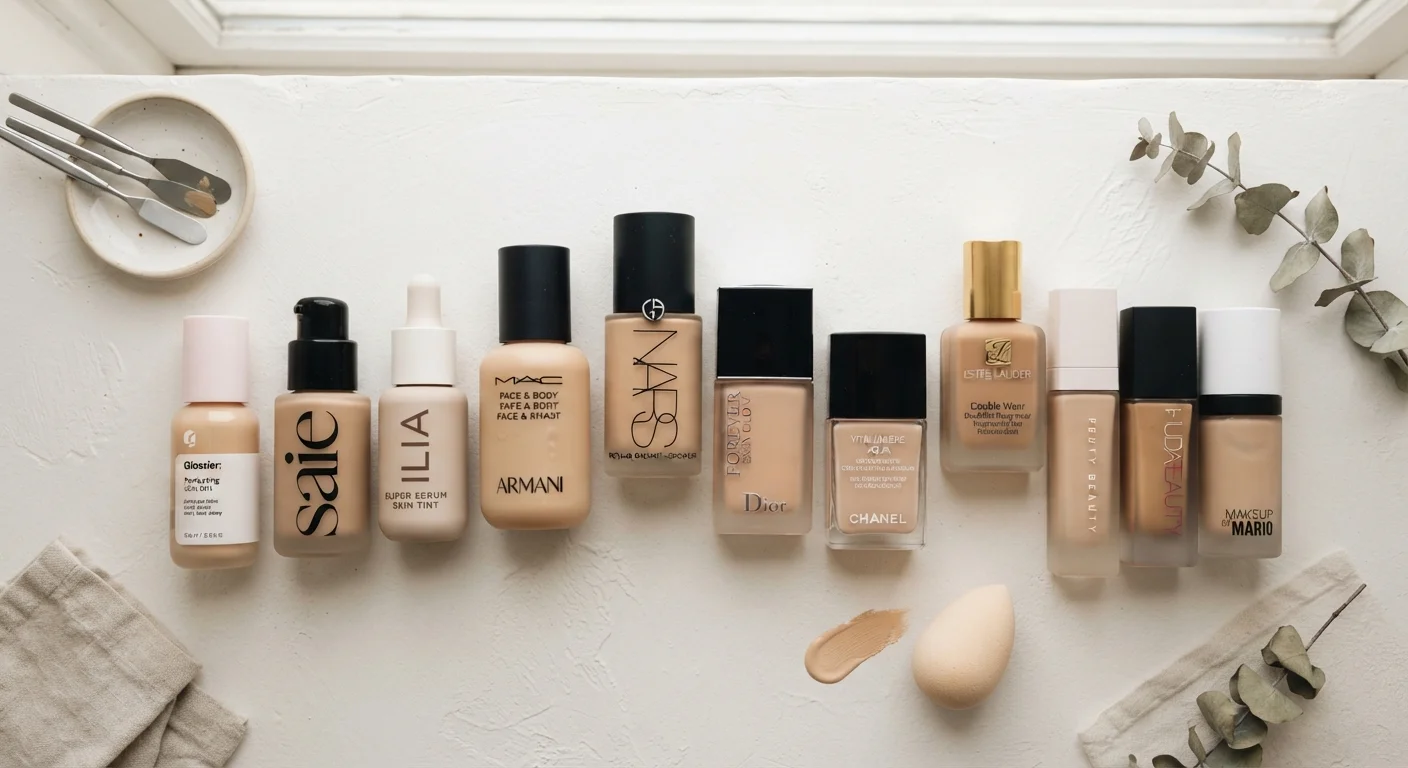
Photo: UnlockTopics.com | Unlocking Trending Content editorial
Key Takeaways
- Sheer coverage evens skin tone while letting natural texture and freckles remain visible.
- Medium coverage conceals mild redness and minor blemishes without a heavy feel.
- Full coverage offers maximum opacity, ideal for significant discoloration or special occasions.
- Many foundations are buildable, allowing you to layer for more coverage where needed.
- Skin type, finish preference, and occasion all influence which coverage level works best.
- No single coverage level is universally superior — the right choice depends on your skin and goal.
What Sheer Coverage Actually Does
Sheer coverage is the lightest option on the foundation spectrum. Applied in a single layer, it deposits just enough pigment to gently unify skin tone while leaving natural freckles, texture, and skin characteristics fully or mostly visible. The effect is often described as a 'your skin but better' finish.
This level suits people who are happy with their overall skin clarity but want to knock back mild unevenness or take the edge off redness. Tinted moisturizers and skin tints typically fall into this category, blending skincare and sheer color in one step.
Sheer coverage is also a strong choice for hot-weather wear, workouts, or any situation where a natural, low-maintenance look is the goal. Because the pigment load is low, it blends quickly and is forgiving of imperfect application technique.
Start Sheer, Build as Needed
Medium Coverage: The Everyday Middle Ground
Medium coverage is arguably the most versatile point on the spectrum. It conceals mild blemishes, light redness, and minor discoloration while still allowing skin's natural texture — pores, slight unevenness — to show through in a way that reads as real skin rather than a mask.
This is the coverage level most commonly found in everyday foundation formulas, and for good reason. It balances wearability and correction without requiring significant blending skill. For most people on most days, medium coverage handles the bulk of what foundation needs to do.
~60%
Foundation shoppers who prioritize coverage level
Industry consumer research consistently identifies coverage as one of the top two or three factors shoppers consider when selecting a foundation, alongside shade match and finish.
3–4 layers
Typical layers to achieve full coverage with a buildable formula
Makeup artists generally note that buildable medium formulas require three to four thin, blended layers to approach the opacity of a single-layer full-coverage product.
Products labeled 'medium-to-full' or 'buildable medium' give you flexibility: apply a thin layer for lighter coverage on low-key days and add a second pass on areas that need more correction.
Full Coverage: When Maximum Opacity Is the Goal
Full-coverage foundation delivers the highest level of pigment concentration, designed to mask significant hyperpigmentation, acne scarring, rosacea flare-ups, or other concerns that lighter formulas won't adequately address. A single layer can create near-complete opacity over the skin's surface.
This coverage level is frequently favored for photography, events, or any setting with harsh lighting where skin imperfections become more visible. Applied with a damp sponge or brush in thin, even layers, a quality full-coverage formula can look surprisingly natural — the key is blending thoroughly into the hairline and jaw.
Full coverage is not exclusive to special occasions. People managing chronic skin concerns, such as significant post-inflammatory hyperpigmentation or visible vascular conditions, often rely on full-coverage formulas as part of their daily routine.
Full Coverage Doesn't Mean Cakey
Choosing the Right Coverage for Your Skin and Situation
The right coverage level depends on three practical factors: your skin's current condition, the occasion, and personal preference. Neither heavier nor lighter coverage is objectively better — they serve different purposes.
Consider your skin's texture first. If your skin has significant texture from enlarged pores or acne scarring, a very heavy formula may emphasize rather than smooth those areas. A medium buildable formula applied in thin layers often gives a more uniform result than one thick application of full coverage.
Occasion matters too. A relaxed weekend errand run calls for something different than a formal event photographed under bright lights. Think of coverage as a tool you adjust to context — much the way you might approach other decisions about how you present yourself depending on the setting.
Finally, skin type plays a role. Oily skin tends to break down heavier formulas faster; a lighter, long-wear medium formula may actually outlast a full-coverage option on someone with very oily skin. Dry skin, conversely, often benefits from the emollient ingredients common in fuller-coverage cream formulas.
Understanding coverage is one part of a broader foundation literacy. Knowing your undertone, preferred finish (matte, satin, dewy), and how a formula interacts with your skin over the course of a day are equally important variables in finding a foundation routine that genuinely works for you.
Frequently Asked Questions
The content on this site is for informational purposes only and is not a substitute for professional advice. Always consult a qualified professional for guidance specific to your situation.