
Eyebrow Shaping Approaches: Waxing, Threading, and Tinting Compared

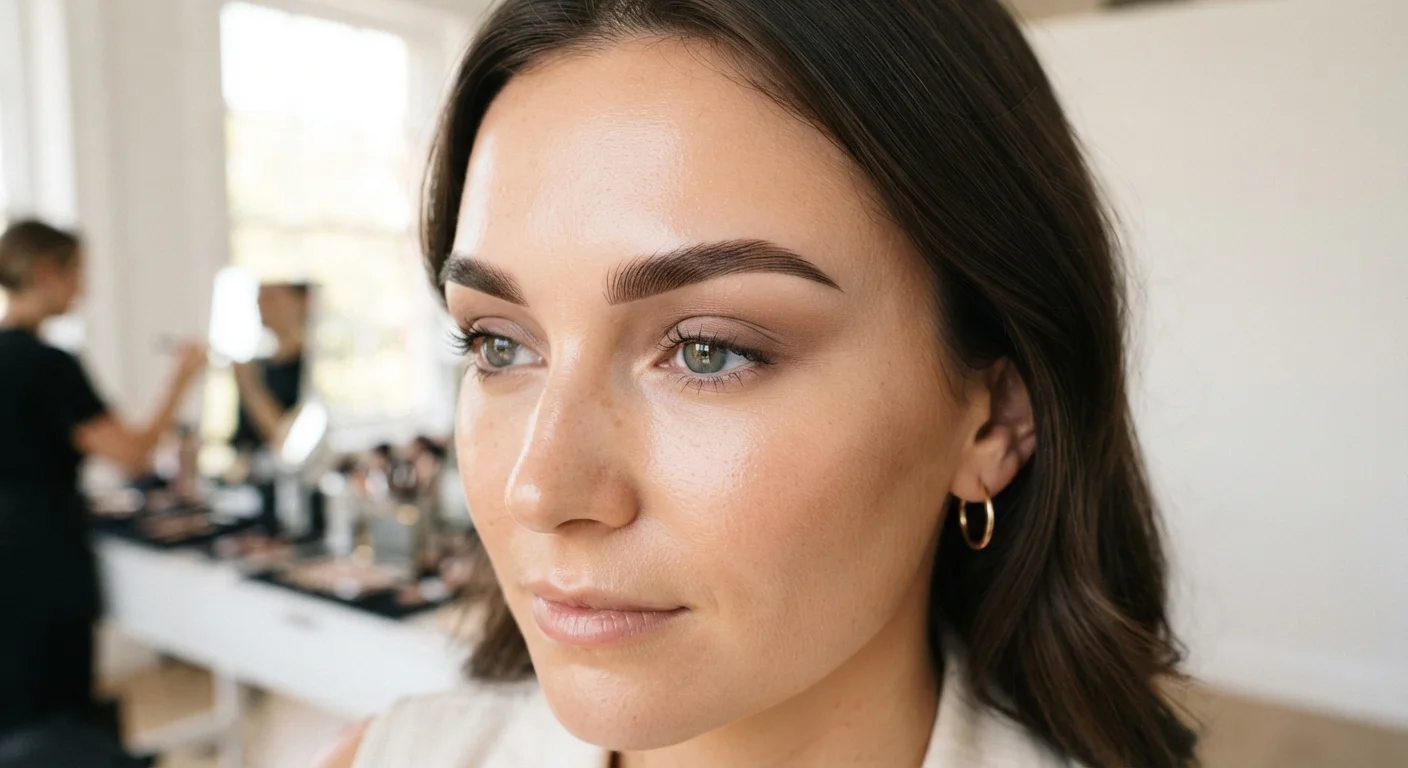
Photo: UnlockTopics.com | Unlocking Trending Content editorial
Key Takeaways
- Waxing removes hair quickly and precisely but can irritate sensitive skin or interact with certain skincare ingredients.
- Threading uses only a twisted cotton thread, making it a chemical-free option well-suited for sensitive or acne-prone skin.
- Tinting adds color to existing brow hairs and skin for a fuller appearance — it does not remove hair.
- Most people combine two methods, such as threading for shaping and tinting for definition, to achieve their desired look.
- Results from all three methods are temporary, typically lasting two to eight weeks depending on individual hair growth.
How Each Method Works
Understanding the mechanics of each approach helps clarify what to expect from an appointment and why results vary so significantly between them.
Waxing applies a warm or cold wax to the skin around the brows. The wax adheres to the hair and is removed swiftly with a strip or by hardening and peeling away, pulling multiple hairs out at the follicle simultaneously. It is one of the fastest hair-removal methods available and produces very clean, defined edges.
Threading is an ancient technique originating across South Asia and the Middle East. A technician uses a doubled, twisted cotton thread to roll along the skin's surface, catching and lifting hairs at the follicle level. The method offers exceptional precision — individual hairs can be targeted — and nothing touches the skin except the thread itself.
Tinting is a color treatment, not a hair-removal method. A semi-permanent dye is applied to both the brow hairs and the surrounding skin, depositing pigment to create the appearance of fuller, darker brows. It is often paired with shaping services but accomplishes a fundamentally different goal.
| Waxing | Threading | Tinting | |
|---|---|---|---|
| Primary function | Hair removal and shaping | Hair removal and shaping | Color and visual density |
| Typical session length | 10–20 minutes | 10–20 minutes | 15–30 minutes |
| Results longevity | 3–6 weeks | 4–6 weeks | 2–6 weeks |
| Skin sensitivity risk | Moderate — heat and adhesion | Low — no chemicals or heat | Low–moderate — dye contact |
| Best for | Fast, clean edges | Fine hair, sensitive skin | Light or sparse brows |
| Chemical contact | Yes — wax resins | No — thread only | Yes — semi-permanent dye |
| Patch test recommended | Consult technician | Generally not required | Yes, 24–48 hours prior |
Results, Longevity, and Maintenance
Each method delivers distinct results and requires a different maintenance cadence.
Waxing typically keeps brows shaped for three to six weeks, as it removes hair at the root and temporarily slows regrowth. Threading achieves similar longevity — roughly four to six weeks — with the added benefit that it can catch finer, shorter hairs that wax sometimes misses.
Tinting fades more predictably on the skin surface (often within one to two weeks on skin) while color on the hairs themselves can last four to six weeks, depending on hair porosity, sun exposure, and how frequently the area is cleansed. Because it is additive rather than reductive, brow tinting needs to be reassessed after each hair-removal session.
Sequence Matters When Combining Services
For those managing sparse or light brows, pairing a tint with threading or waxing — done in that order, shaping first then tinting — tends to produce the most cohesive results.
Skin Sensitivity and Who Should Be Cautious
Skin type is one of the most important factors when choosing a brow method.
Waxing considerations: Individuals using retinoids (vitamin A derivatives), certain exfoliating acids, or acne medications should approach waxing with caution — these ingredients can thin or sensitize the skin, increasing the risk of lifting or irritation. Informing your technician about your skincare routine is essential before a wax appointment.
Threading considerations: Because threading involves no chemicals or heat, it is generally considered the gentlest option for reactive skin. Minor redness immediately after the service is normal and typically resolves within an hour. It can, however, cause temporary ingrown hairs if aftercare is neglected.
Tinting considerations: Brow tints contain dye chemicals, and patch testing 24 to 48 hours before a full application is widely recommended to screen for allergic reactions. Anyone with known dye sensitivities should discuss ingredient lists with their technician before proceeding.
Skip Brow Waxing If You Use Retinoids
Choosing the Right Approach for Your Goals
When deciding between these methods, clarity on your primary goal — shape, color, or both — simplifies the decision considerably.
- Shape and definition: Both waxing and threading address brow architecture. Waxing tends to suit those who prefer quicker appointments and have resilient skin. Threading suits detail-oriented shaping and anyone avoiding chemicals.
- Color and fullness: Tinting alone works well for those already happy with their brow shape who want more visible density or who have naturally lighter hair. It creates the impression of filled-in brows without a daily pencil or powder step.
- Both shape and color: Combining a shaping service with tinting is common practice at most brow studios. The two are complementary and, when sequenced correctly, produce a polished, low-maintenance result.
Consulting with a trained brow technician before your first session — or first session with a new method — is a practical step. A brief consultation allows the technician to assess your hair growth pattern, skin type, and facial structure before making any permanent changes to your brow shape.
The content on this site is for informational purposes only and is not a substitute for professional advice. Always consult a qualified professional for guidance specific to your situation.