
What Your Pet's Coat Condition Actually Tells You About Their Health

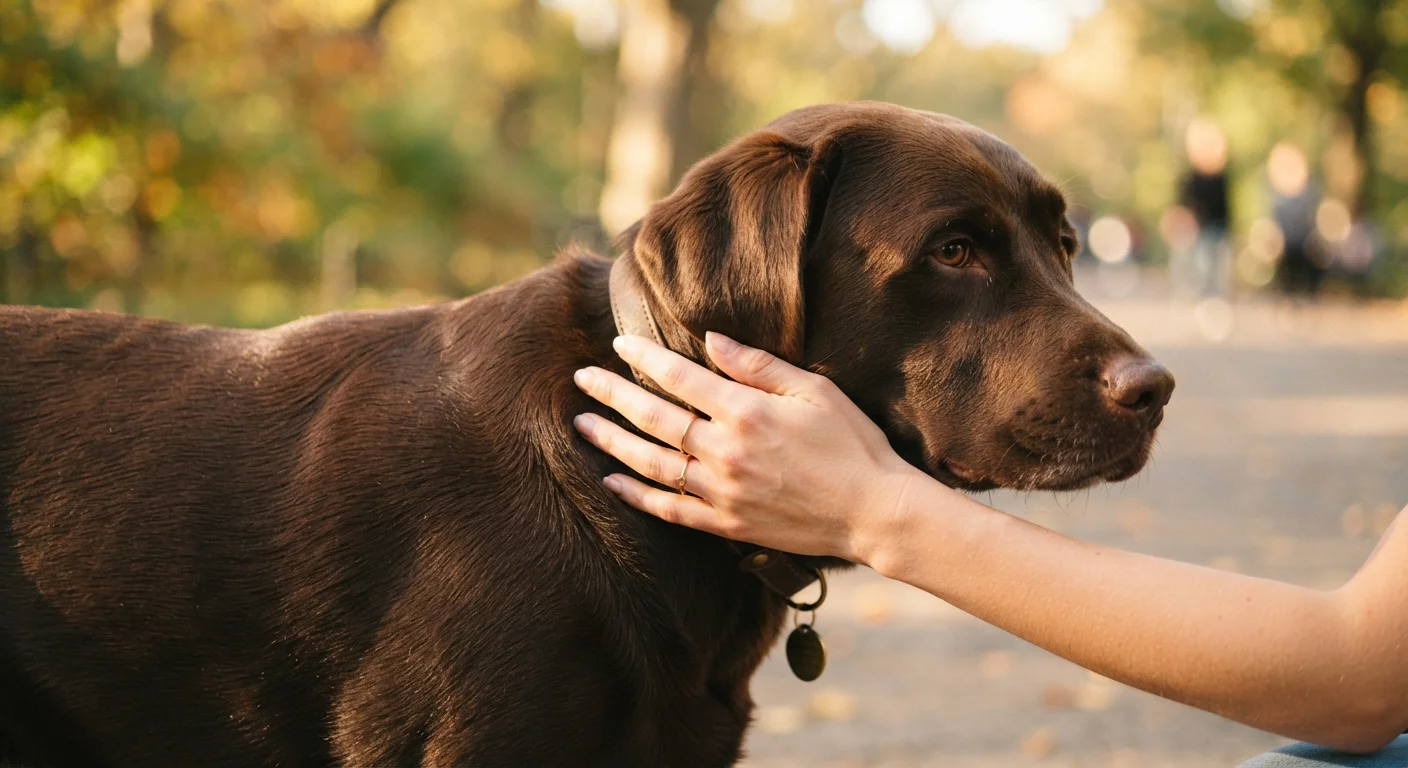
Photo: UnlockTopics.com | Unlocking Trending Content editorial
Key Takeaways
- A healthy coat should feel soft, lie flat, and show a natural sheen appropriate for the breed.
- Dull, brittle, or thinning fur can point to nutritional deficiencies, hormonal imbalances, or illness.
- Excessive shedding beyond normal seasonal patterns is worth discussing with a veterinarian.
- Patchy fur loss, skin redness, or persistent scratching are signs that warrant a professional evaluation.
- Coat changes rarely occur in isolation — look for accompanying behavioral or appetite shifts.
- Regular grooming sessions are an opportunity to monitor coat and skin health between vet visits.
What a Healthy Coat Actually Looks Like
Before you can recognize a problem, it helps to know what normal looks like for your specific pet. Coat appearance varies considerably across breeds, species, and life stages — a Shar-Pei's short, bristly coat is healthy by different standards than a Golden Retriever's dense, water-resistant double coat.
That said, across most dogs and cats, a healthy coat shares a few common qualities: the fur feels soft or smooth relative to breed type, lies fairly flat and even, and carries a natural sheen without appearing greasy. The skin underneath should be clean, lightly pigmented for the animal, and free from visible irritation. There should be no significant bald spots, and shedding should feel roughly consistent with what you've observed in past seasons.
Getting familiar with your pet's individual baseline is essential. New owners especially benefit from consulting their veterinarian early about what to expect from a healthy coat for their pet's specific breed and age. For a broader picture of what wellness looks like across the whole animal, see our head-to-tail healthy pet reference.
Make Grooming a Health Check
Common Coat Changes and What They May Signal
Changes in your pet's coat are rarely random. The fur and skin are metabolically active tissues — they respond to shifts in nutrition, hormones, immune function, and organ health. Here are some of the most common coat changes owners notice and the internal conditions they may reflect.
Dull or Lackluster Fur
A coat that has lost its sheen and looks flat or lifeless is one of the most frequent signs that something is off. Common contributors include nutritional gaps — particularly deficiencies in omega-3 and omega-6 fatty acids, which are critical for skin barrier function and coat luster. Dehydration, poor-quality diet, and some systemic illnesses can also strip the coat of its healthy appearance.
Excessive Shedding
While shedding is normal, a marked increase outside seasonal norms — especially when paired with thinning areas — can indicate thyroid dysfunction, adrenal disorders, or nutritional imbalance. Stress is another underrecognized driver; significant environmental changes can trigger elevated shedding in sensitive animals.
Bald Patches or Thinning Areas
Localized fur loss is among the more urgent coat changes to investigate. Possible causes span a wide spectrum: allergic reactions, flea infestation, mange (caused by microscopic mites), fungal infections like ringworm, or hormonal conditions such as hypothyroidism or Cushing's disease. A veterinarian can run diagnostics to distinguish between these — home guesswork is not reliable here.
Brittle, Dry, or Coarse Texture
Fur that feels rough or breaks easily often points to nutritional deficiency or dehydration. In older animals, changes in coat texture can also accompany age-related metabolic shifts. This is also a coat change worth discussing with your vet rather than addressing on your own with supplements, as the appropriate response depends on the root cause.
~80%
Of skin and coat problems linked to systemic causes
Veterinary dermatologists broadly recognize that a significant proportion of pet skin and coat issues reflect an internal or nutritional root cause rather than a surface-level problem alone.
1 in 4
Cats and dogs affected by allergies
Allergies — including food and environmental types — are among the most common reasons pets develop skin irritation and coat changes, according to general veterinary practice data.
Top 5
Reasons for vet visits include skin and coat issues
Skin and coat problems consistently rank among the leading reasons pet owners seek veterinary care each year in the United States.
The Nutrition–Coat Connection
Diet is one of the most direct levers affecting coat quality. Protein is the structural building block of hair, so pets eating inadequate protein or a diet with poor amino acid profiles may develop a thinner, duller coat over time. Essential fatty acids — found naturally in fish oil and certain animal fats — regulate skin cell turnover and maintain the coat's natural oils.
Zinc, biotin, and vitamins A and E also play supporting roles in skin and coat health. However, it's important to note that more supplementation is not always better. Excess vitamin A, for example, can be toxic to cats. Before adding any supplement to your pet's routine, consult your veterinarian for guidance appropriate to your specific animal.
Feeding a species-appropriate, nutritionally complete diet formulated to meet established standards (such as those set by the Association of American Feed Control Officials, or AAFCO) provides a strong foundation. If your pet is eating a well-balanced diet and their coat is still deteriorating, that points toward a medical issue rather than a dietary one — and warrants a veterinary evaluation.
When Coat Changes Are Part of a Bigger Picture
Coat changes rarely happen in total isolation. When a pet's fur shifts noticeably in condition, it's worth scanning for other subtle signals that something may be off. Pets experiencing an underlying health issue often show clusters of signs together: a dull coat alongside reduced energy, changes in appetite, increased water consumption, or behavioral withdrawal.
Subtle behavioral shifts that may signal a pet is unwell are worth tracking alongside physical changes. A pet that is also hiding more, grooming obsessively, or eating less than usual presents a more complete picture that a veterinarian will find useful in diagnosis.
Similarly, if your pet is scratching persistently alongside coat changes, the two may share a common cause. Our article on why pets keep scratching — and when it's more than an itch covers the overlap between skin irritation and coat health in more detail.
Coat Changes in Senior Pets Deserve Extra Attention
This article is for general informational and educational purposes only and is not a substitute for professional veterinary advice. If you notice significant changes in your pet's coat or overall condition, consult a licensed veterinarian for an accurate assessment and appropriate care.
Frequently Asked Questions
The content on this site is for informational purposes only and is not a substitute for professional advice. Always consult a qualified professional for guidance specific to your situation.