
Mobility vs. Flexibility: Two Concepts That Are Often Confused

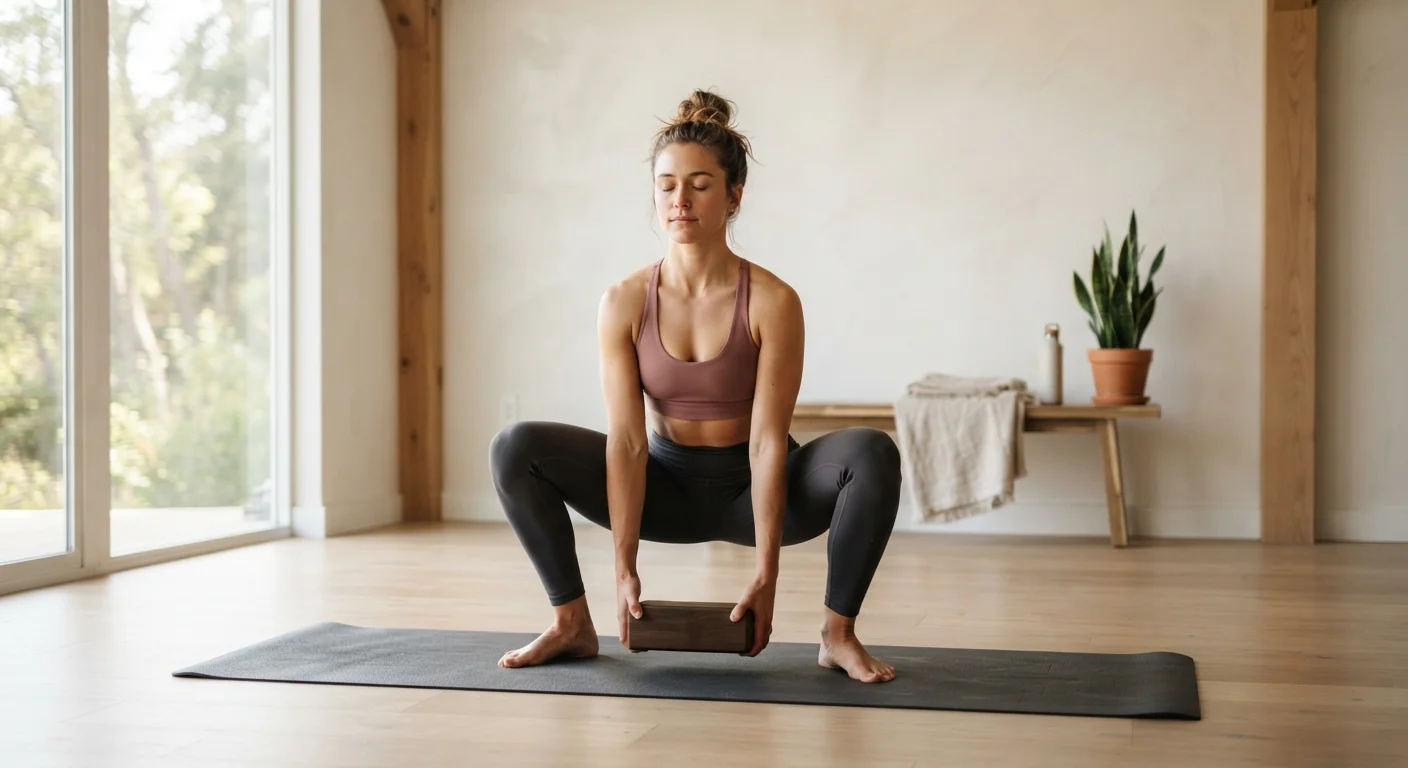
Photo: UnlockTopics.com | Unlocking Trending Content editorial
Key Takeaways
- Flexibility refers to a muscle's passive capacity to lengthen; mobility refers to active, controlled joint movement.
- You can be flexible but lack mobility - passive range doesn't guarantee functional movement.
- Mobility training typically incorporates strength, stability, and motor control alongside range of motion.
- Both qualities decline with age and inactivity, but both respond well to consistent, targeted training.
- A balanced movement practice benefits from addressing both flexibility and mobility.
What's the Actual Difference?
The terms flexibility and mobility are frequently used as though they mean the same thing. In casual conversation, that's understandable - both relate to how freely your body moves. But in the context of exercise science and movement health, they describe meaningfully different capacities.
Flexibility is generally defined as the ability of a muscle or muscle group to passively lengthen. When you perform a static hamstring stretch and hold it, you're working on flexibility. The muscle is being elongated, but you're not necessarily exerting active control over that range.
Mobility, by contrast, refers to the ability of a joint to move actively through its full range of motion - with control. It incorporates not just muscle length, but also joint health, motor control, and the neuromuscular coordination required to move purposefully. Think of a deep overhead squat: that demands hip, ankle, thoracic spine, and shoulder mobility, not just flexible muscles.
A useful way to think about it: flexibility is the raw material, and mobility is the ability to use it. Someone can have impressive passive flexibility - able to push their leg into a high stretch - yet still struggle to control that same leg through a dynamic movement pattern. That gap is a mobility deficit.
| Criterion | Flexibility | Mobility |
|---|---|---|
| Core definition | Passive muscle lengthening capacity | Active joint range with control |
| Primary focus | Muscle tissue length | Joint health, motor control, stability |
| Typical training method | Static and passive stretching | Controlled movement, loaded range work |
| When you feel the benefit | Reduced tension, improved posture | Safer, more efficient movement patterns |
| Injury prevention role | Moderate - reduces muscle tightness | Higher - builds functional joint stability |
| Can one exist without the other? | Yes - flexible but uncontrolled | Yes - mobile within a limited range |
Why the Distinction Matters for Training
Understanding which quality you're actually training helps you choose the right tools - and set realistic expectations.
Stretching-based flexibility work - whether static holds, passive stretching, or assisted techniques - is effective at reducing muscular tension and improving resting muscle length over time. It can ease the discomfort of prolonged sitting, improve posture, and contribute to general physical ease. Research suggests consistent stretching does incrementally increase passive range of motion, though the mechanisms are still debated among sports scientists.
Mobility training takes a broader approach. It typically involves controlled articular rotations, deep range strength work, and movement pattern practice. The goal is not just to achieve a position, but to own it - to move in and out of full range with stability and intention. This is why mobility training is often prioritized in physical therapy, athletic performance programs, and injury-prevention contexts.
37%
Adults with significant joint mobility limitations
Population-level surveys suggest a substantial proportion of adults report meaningful restrictions in joint range of motion, often worsening with age and sedentary behavior.
8-12 weeks
Typical timeframe for measurable flexibility gains
Sports science literature generally indicates that consistent stretching programs produce measurable range-of-motion improvements within 8 to 12 weeks.
Just as mindfulness and meditation overlap but serve different purposes, flexibility and mobility are related but shouldn't be conflated when designing a training program.
How to Train Both Effectively
The good news: neither flexibility nor mobility requires expensive equipment or long sessions. Consistency matters more than duration.
For flexibility:
- Practice static stretching after workouts, when muscles are warm
- Hold each stretch for 20-60 seconds, focusing on relaxed, gradual release
- Target chronically tight areas - hip flexors, hamstrings, chest, and shoulders are common problem zones for desk workers
For mobility:
- Incorporate controlled articular rotations (CARs) at key joints - hips, shoulders, spine - ideally at the start of a session
- Perform deep range movements under light load to build strength through full joint range
- Practice bodyweight patterns like deep squats, hip 90/90 stretches, and thoracic rotations with active control
Movement quality improvements take time. Research consistently shows that range-of-motion adaptations require weeks to months of regular practice - so patience and consistency are more important than intensity.
The evidence also suggests that movement and physical activity support more than just physical health - see our companion piece on exercise and mental wellbeing for a nuanced look at those connections.
This article is for general informational purposes only and does not constitute medical or exercise advice. Consult a qualified healthcare or fitness professional before beginning any new training program, particularly if you have existing injuries or health conditions.
The content on this site is for informational purposes only and is not a substitute for professional advice. Always consult a qualified professional for guidance specific to your situation.