
Measuring Fitness Progress Without Relying on the Scales

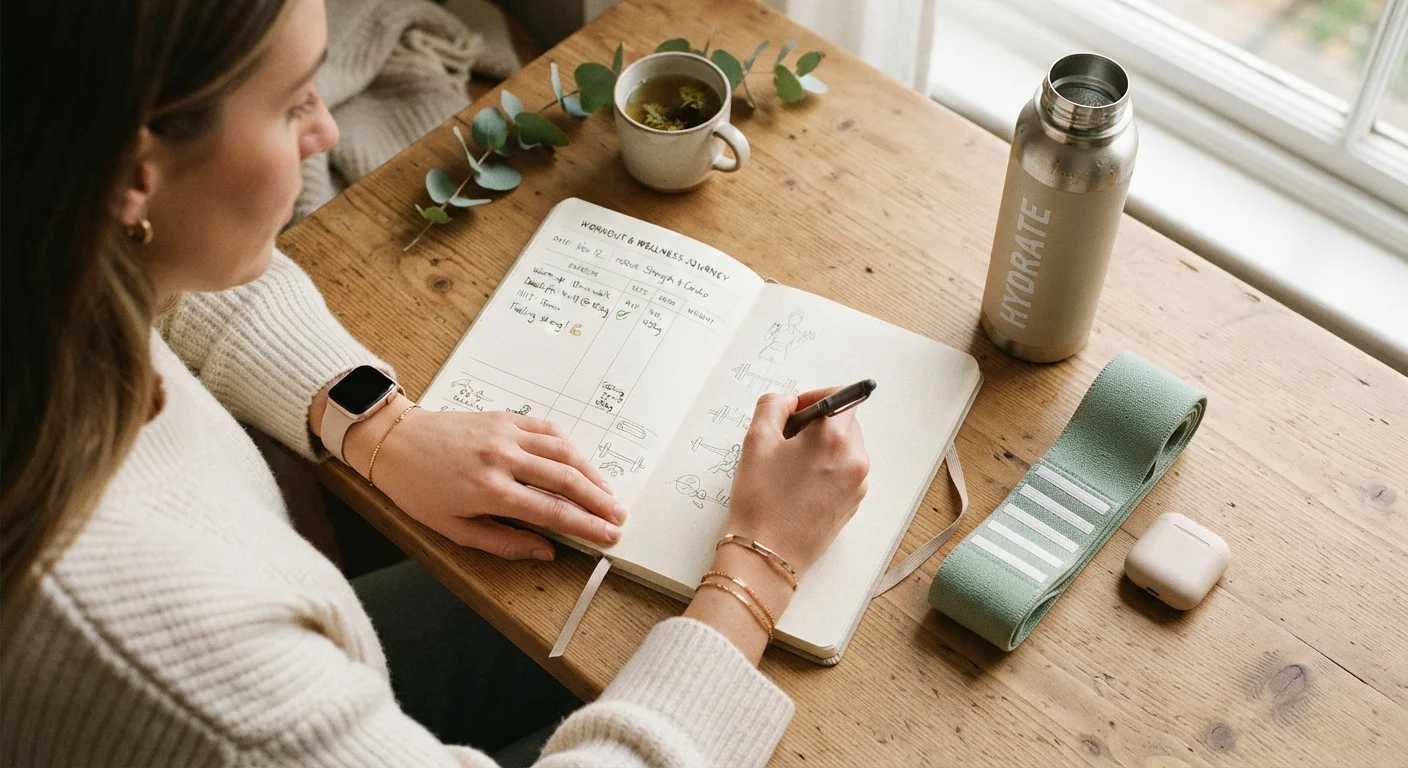
Photo: UnlockTopics.com | Unlocking Trending Content editorial
Key Takeaways
- Body weight fluctuates daily and rarely reflects the full picture of fitness improvement.
- Strength, endurance, flexibility, sleep quality, and energy levels are all meaningful progress markers.
- Shifting focus to performance-based metrics tends to support longer-term motivation and consistency.
- Keeping a simple log of non-scale wins can reinforce positive habits over time.
Why the Scale Tells an Incomplete Story
For many people, the bathroom scale is the default measure of fitness progress. Step on, read the number, feel encouraged or deflated. The problem is that body weight is a single, highly variable data point - influenced by hydration, hormones, sleep, and even the time of day you weigh yourself. It tells you almost nothing about whether you're getting stronger, moving better, or building habits that will last.
Research in exercise science consistently shows that improvements in cardiovascular fitness, muscle strength, and mobility often precede any significant change in body weight - sometimes by weeks or months. If the scale is your only scoreboard, you may be discouraging yourself at the exact moment real progress is happening.
A more complete picture requires a broader set of indicators. The seven markers below are practical, observable, and available to anyone - no gym membership or specialist equipment required. If you're returning to fitness after a break, these measures are especially useful for recognising early wins.
Start With Two or Three Markers
Seven Ways to Measure Fitness Progress That Actually Matter
How Many Reps or Rounds You Can Complete
If you could do eight push-ups in week one and can now manage fourteen with good form, that is a concrete, measurable gain in muscular strength and endurance. Tracking reps, sets, or workout rounds over time is one of the clearest signals that your body is adapting to training stimulus - regardless of what the scale shows.
More reps with better form is an unambiguous sign your body is adapting.
How Your Resting Heart Rate Changes
Resting heart rate (RHR) - the number of times your heart beats per minute while at rest - tends to decrease as cardiovascular fitness improves. A lower RHR generally indicates the heart is pumping more efficiently. Many fitness trackers monitor this automatically, but you can also measure it manually first thing in the morning before getting out of bed.
A gradually declining resting heart rate is a reliable cardiovascular fitness marker.
How Quickly You Recover After Exertion
Recovery rate - how fast your heart rate returns toward baseline after exercise - improves significantly with consistent training. If a brisk walk that used to leave you winded for ten minutes now takes only two or three minutes to recover from, your aerobic system is becoming more efficient. This is a practical marker you can observe without any equipment.
Faster recovery after effort is one of the clearest signs of improving fitness.
Your Energy Levels Throughout the Day
Regular movement is linked to improved energy regulation, better sleep architecture, and reduced afternoon fatigue for many people. If you notice you're getting through the afternoon without an energy slump, or waking up feeling more rested, that's meaningful progress - even if the scale hasn't moved. For more on the mood and energy connections, see what the research says about exercise and mental wellbeing.
Sustained daily energy is a real fitness outcome, not just a side benefit.
How Far or Long You Can Move Continuously
Whether it's walking, cycling, swimming, or dancing, tracking duration or distance gives you a clear endurance baseline. If you started with a 15-minute walk and can now comfortably cover 35 minutes without stopping, your aerobic capacity has genuinely improved. This kind of progress is easy to record and highly motivating to look back on.
Distance and duration benchmarks make aerobic progress easy to see and celebrate.
Your Flexibility and Range of Motion
Can you reach further down toward your toes than you could two months ago? Does a movement that once felt stiff now feel fluid? Improved flexibility and joint mobility are signs that connective tissue is adapting and your movement patterns are becoming more efficient. Simple tests - like a seated forward fold or a shoulder reach - work as useful, repeatable benchmarks. This is particularly relevant if you're building a home-based movement routine that includes stretching or mobility work.
Greater range of motion is evidence of real physical adaptation - and often improves daily comfort.
How Exercise Feels Compared to Before
This is subjective, but valuable. A workout that felt difficult two months ago may now feel manageable - not because it got easier, but because you got better. Using a simple perceived exertion scale (rating effort from 1 to 10) and noting it in a log lets you compare effort over time. When the same session feels lighter, that's adaptation in action.
When hard feels manageable, that shift in perceived effort is a legitimate fitness gain.
Body Composition vs. Body Weight
Building a Progress-Tracking Habit
You don't need a sophisticated app or spreadsheet to track these markers - a simple notebook works well. Record a baseline for two or three of the indicators above, then revisit them every three to four weeks. Progress in fitness rarely feels dramatic day-to-day, but looking back over a month or two usually reveals meaningful shifts.
Consistency matters more than any single session, and the metrics you choose to track tend to shape what you prioritise. Building structures that support consistency is often the difference between short bursts of effort and lasting change. Likewise, if motivation tends to fade after a few weeks, it's worth understanding which fitness habits quietly undermine long-term effort.
This article is for general informational purposes only and does not constitute medical or fitness advice. Consult a qualified healthcare or exercise professional before starting or significantly changing a physical activity program, especially if you have an existing health condition.
The content on this site is for informational purposes only and is not a substitute for professional advice. Always consult a qualified professional for guidance specific to your situation.